Connect With Us
Blog
Items filtered by date: February 2025
Tuesday, 25 February 2025 00:00
Unconventional Ways to Keep Your Feet Strong and Flexible

Feet do a lot of work, but they rarely get the focused movement they need to stay resilient. Instead of traditional exercises, try creative approaches that challenge strength, coordination, and flexibility in everyday activities. One simple exercise is the towel scrunch challenge where you place a towel on the floor and use only your toes to scrunch it up. This builds foot muscles, improves dexterity, and enhances grip strength for better balance. Another great activity is the heel-to-toe obstacle walk. This involves setting up small objects like books or pillows and carefully stepping over them, rolling from heel to toe to encourage stability, control, and coordination in a way that mimics real-life movement. For sensory stimulation, try barefoot texture exploration by walking on different surfaces like grass, sand, or a textured mat to awaken nerve endings and improve foot awareness. If you have persistent discomfort or weakness in your feet, it is suggested that you see a podiatrist.
Why Stretching Is Important for Your Feet
Stretching the feet is a great way to prevent injuries. If you have any concerns with your feet consult with Arthur Segall, Jr., DPM from Segall Foot and Ankle. Our doctor will assess your condition and provide you with quality foot and ankle treatment.
Stretching the Feet
Stretching the muscles in the foot is an important part in any physical activity. Feet that are tight can lead to less flexibility and make you more prone to injury. One of the most common forms of foot pain, plantar fasciitis, can be stretched out to help ease the pain. Stretching can not only ease pain from plantar fasciitis but also prevent it as well. However, it is important to see a podiatrist first to determine if stretching is right for you. Podiatrists can also recommend other ways to stretch your feet. Once you know whether stretching is right for you, here are some excellent stretches you can do.
- Using a foam roller or any cylindrical object (a water bottle or soda can will do), roll the object under your foot back and forth. You should also exert pressure on the object. Be sure to do this to both feet for a minute. Do this exercise three times each.
- Similar to the previous exercise, take a ball, such as a tennis ball, and roll it under your foot while seated and exert pressure on it.
- Grab a resistance band or towel and take a seat. If you are using a towel, fold it length wise. Next put either one between the ball of your foot and heel and pull with both hands on each side towards you. Hold this for 15 seconds and then switch feet. Do this three times for each foot.
- Finally hold your big toe while crossing one leg over the other. Pull the toe towards you and hold for 15 seconds. Once again do this three times per foot.
It is best to go easy when first stretching your foot and work your way up. If your foot starts hurting, stop exercising to ice and rest the foot. It is advised that you then see a podiatrist for help.
If you have any questions, please feel free to contact our offices located in Plantation, FL Ft. Lauderdale, F . We offer the newest diagnostic and treatment technologies for all your foot care needs.
Tuesday, 18 February 2025 00:00
Explaining Charcot Foot in Diabetic Patients
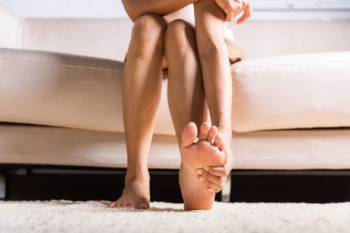
Charcot foot can develop in some people with diabetes as the result of peripheral neuropathy, which damages the nerves in the feet. This can lead to a loss of sensation, making it difficult to detect injuries such as fractures or joint dislocations. As a result, people may continue walking on an injured foot, causing further damage. Over time, the bones may weaken, leading to a collapse of the foot’s structure and significant changes in its shape. Symptoms of Charcot foot include swelling, redness, warmth, and a noticeable change in the shape of the foot or ankle. Without proper treatment, Charcot foot can increase the risk of foot ulcers, and, in severe cases, may require surgery or result in loss of limb. A podiatrist can assess the condition, provide immobilization options like specialized casts or braces, and recommend footwear to reduce pressure on the foot. In some cases, surgery may be necessary to stabilize the bones. If you are experiencing foot pain that may be related to peripheral neuropathy, it is suggested that you schedule an appointment with a podiatrist for an exam and appropriate reatment.
Foot Pain
Foot pain can be extremely painful and debilitating. If you have a foot pain, consult with Arthur Segall, Jr., DPM from Segall Foot and Ankle. Our doctor will assess your condition and provide you with quality foot and ankle treatment.
Causes
Foot pain is a very broad condition that could be caused by one or more ailments. The most common include:
- Bunions
- Hammertoes
- Plantar Fasciitis
- Bone Spurs
- Corns
- Tarsal Tunnel Syndrome
- Ingrown Toenails
- Arthritis (such as Gout, Rheumatoid, and Osteoarthritis)
- Flat Feet
- Injury (from stress fractures, broken toe, foot, ankle, Achilles tendon ruptures, and sprains)
- And more
Diagnosis
To figure out the cause of foot pain, podiatrists utilize several different methods. This can range from simple visual inspections and sensation tests to X-rays and MRI scans. Prior medical history, family medical history, and any recent physical traumatic events will all be taken into consideration for a proper diagnosis.
Treatment
Treatment depends upon the cause of the foot pain. Whether it is resting, staying off the foot, or having surgery; podiatrists have a number of treatment options available for foot pain.
If you have any questions, please feel free to contact our offices located in Plantation, FL Ft. Lauderdale, F . We offer the newest diagnostic and treatment technologies for all your foot care needs.
Tuesday, 11 February 2025 00:00
2 Common Types of Heel Spurs
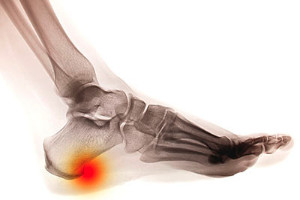
Heel spurs are bony growths that develop on the heel bone, often leading to pain and discomfort. The two most common types of heel spurs are the anterior heel spur, or heel spur syndrome, and the posterior heel spur. An anterior heel spur is located on the bottom of the heel and is typically associated with plantar fasciitis. This condition causes pain in the heel, especially with the first steps in the morning or after long periods of sitting. A posterior heel spur forms at the back of the heel, near the Achilles tendon. It is often caused by repeated stress or overuse of the tendon and can result in pain and swelling at the back of the heel. Both types of heel spurs can be caused by excessive pressure on the feet, poor footwear, or improper walking mechanics. If you have heel pain, it is suggested that you contact a podiatrist who can accurately diagnose it and provide treatment options.
Heel spurs can be incredibly painful and sometimes may make you unable to participate in physical activities. To get medical care for your heel spurs, contact Arthur Segall, Jr., DPM from Segall Foot and Ankle. Our doctor will do everything possible to treat your condition.
Heels Spurs
Heel spurs are formed by calcium deposits on the back of the foot where the heel is. This can also be caused by small fragments of bone breaking off one section of the foot, attaching onto the back of the foot. Heel spurs can also be bone growth on the back of the foot and may grow in the direction of the arch of the foot.
Older individuals usually suffer from heel spurs and pain sometimes intensifies with age. One of the main condition's spurs are related to is plantar fasciitis.
Pain
The pain associated with spurs is often because of weight placed on the feet. When someone is walking, their entire weight is concentrated on the feet. Bone spurs then have the tendency to affect other bones and tissues around the foot. As the pain continues, the feet will become tender and sensitive over time.
Treatments
There are many ways to treat heel spurs. If one is suffering from heel spurs in conjunction with pain, there are several methods for healing. Medication, surgery, and herbal care are some options.
If you have any questions feel free to contact our offices located in Plantation, FL Ft. Lauderdale, F . We offer the latest in diagnostic and treatment technology to meet your needs.
Friday, 07 February 2025 00:00
Do You Suffer From Painful Feet?

Painful deformities, such as hammertoes, can be treated. Stop living with foot pain, and have beautiful feet again!
Tuesday, 04 February 2025 00:00
Kids Foot Conditions
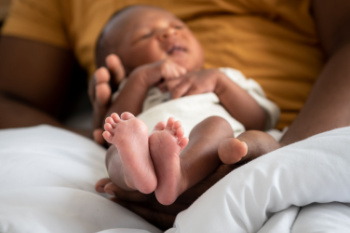
Children’s feet go through many changes, and common issues like bow legs, knock knees, and tiptoe walking often appear during growth. Bow legs cause a gap between the knees when standing with feet together and are typical in toddlers due to natural bone development. Knock knees, where the knees touch but ankles stay apart, can emerge around ages three to five, and usually resolve by age seven. Tiptoe walking, where a child walks on the balls of their feet, may occur as they learn to walk or from tight muscles. These conditions often correct themselves as kids grow, but persistent issues or difficulty walking may signal a problem. If your child exhibits concerning problems with respect to their feet or ankles, it is suggested that you see a podiatrist promptly to prevent complications and ensure healthy foot development.
The health of a child’s feet is vital to their overall well-being. If you have any questions regarding foot health, contact Arthur Segall, Jr., DPM of Segall Foot and Ankle. Our doctor can provide the care you need to keep you pain-free and on your feet.
Tips for Keeping Children's Feet Healthy
- Make sure their shoes fit properly
- Look for any signs of in-toeing or out-toeing
- Check to see if they have Clubfoot (condition that affects your child’s foot and ankle, twisting the heel and toes inward) which is one of the most common nonmajor birth defects.
- Lightly cover your baby’s feet (Tight covers may keep your baby from moving their feet freely, and could prevent normal development)
- Allow your toddler to go shoeless (Shoes can be restricting for a young child’s foot)
- Cut toenails straight across to avoid ingrown toenails
- Keep your child’s foot clean and dry
- Cover cuts and scrapes. Wash any scratches with soap and water and cover them with a bandage until they’ve healed.
If you have any questions, please feel free to contact our offices located in Plantation, FL Ft. Lauderdale, F . We offer the newest diagnostic and treatment technologies for all your foot care needs.
