
Foot Stretches for Pain Relief and Mobility

Foot pain and ankle stiffness often develop when muscles and tendons become tight or overworked from daily activity, long-standing, or poor footwear support. This can appear as aching in the arch, heel, or ankle, along with reduced flexibility and discomfort during walking. Simple stretches may help improve mobility and reduce strain on the foot. Toe raises involve lifting the front of the foot while keeping the heel on the ground to strengthen and activate the muscles that support balance. A big-toe stretch gently pulls the big toe backward to improve flexibility in the foot’s connective tissue. Toe splay involves spreading the toes apart to encourage better control and stability. These movements are often used to support overall foot function. A podiatrist can evaluate the underlying cause of pain and guide appropriate treatment. If you have foot or ankle pain, it is suggested that you consult a podiatrist who can offer effective relief tips, which may include appropriate foot stretches. 

Stretching the feet is a great way to prevent injuries. If you have any concerns with your feet consult with Arthur Segall, Jr., DPM from Segall Foot and Ankle. Our doctor will assess your condition and provide you with quality foot and ankle treatment.

Stretching the Feet

Stretching the muscles in the foot is an important part in any physical activity. Feet that are tight can lead to less flexibility and make you more prone to injury. One of the most common forms of foot pain, plantar fasciitis, can be stretched out to help ease the pain. Stretching can not only ease pain from plantar fasciitis but also prevent it as well. However, it is important to see a podiatrist first if stretching is right for you. Podiatrists can also recommend other ways to stretch your feet. Once you know whether stretching is right for you, here are some excellent stretches you can do.

  • Using a foam roller or any cylindrical object (a water bottle or soda can will do), roll the object under your foot back and forth. You should also exert pressure on the object. Be sure to do this to both feet for a minute. Do this exercise three times each.
  • Similar to the previous one, take a ball, such as a tennis ball, and roll it under your foot while seated and exert pressure on it.
  • Grab a resistance band or towel and take a seat. If you are using a towel, fold it length wise. Next put either one between the ball of your foot and heel and pull with both hands on each side towards you. Hold this for 15 seconds and then switch feet. Do this three times for each foot.
  • Finally hold your big toe while crossing one leg over the other. Pull the toe towards you and hold for 15 seconds. Once again do this three times per foot.

It is best to go easy when first stretching your foot and work your way up. If your foot starts hurting, stop exercising and ice and rest the foot. It is advised to then see a podiatrist for help.

If you have any questions please contact our offices located in Plantation, FL Ft. Lauderdale, F . We offer the newest diagnostic and treatment technologies for all your foot and ankle needs.

Read more about Stretching Your Feet

Foot Wounds in Non-Diabetic Patients

Foot wounds in non-diabetic patients can develop from cuts, pressure, or trauma that damages the skin and underlying tissue. These wounds often appear as open sores that may be red, swollen, and painful to the touch. In some cases, there may be drainage or slow healing, especially if the area continues to be irritated by walking or footwear. Causes include accidental injuries, repetitive friction, poorly fitting shoes, and underlying circulation issues. Risk factors such as long periods of standing, active lifestyles, or untreated skin irritation can increase the chance of developing a wound. If not properly treated, the condition may worsen and lead to infection or delayed healing. A podiatrist can assess the wound, clean and dress it appropriately, and monitor healing progress to prevent complications. If you have a foot wound, it is strongly suggested that you promptly consult a podiatrist who can offer effective relief and treatment solutions.

Wound care is an important part in dealing with diabetes. If you have diabetes and a foot wound or would like more information about wound care for diabetics, consult with Arthur Segall, Jr., DPM from Segall Foot and Ankle. Our doctor will assess your condition and provide you with quality foot and ankle treatment.

What Is Wound Care?

Wound care is the practice of taking proper care of a wound. This can range from the smallest to the largest of wounds. While everyone can benefit from proper wound care, it is much more important for diabetics. Diabetics often suffer from poor blood circulation which causes wounds to heal much slower than they would in a non-diabetic. 

What Is the Importance of Wound Care?

While it may not seem apparent with small ulcers on the foot, for diabetics, any size ulcer can become infected. Diabetics often also suffer from neuropathy, or nerve loss. This means they might not even feel when they have an ulcer on their foot. If the wound becomes severely infected, amputation may be necessary. Therefore, it is of the upmost importance to properly care for any and all foot wounds.

How to Care for Wounds

The best way to care for foot wounds is to prevent them. For diabetics, this means daily inspections of the feet for any signs of abnormalities or ulcers. It is also recommended to see a podiatrist several times a year for a foot inspection. If you do have an ulcer, run the wound under water to clear dirt from the wound; then apply antibiotic ointment to the wound and cover with a bandage. Bandages should be changed daily and keeping pressure off the wound is smart. It is advised to see a podiatrist, who can keep an eye on it.

If you have any questions please contact our offices located in Plantation, FL Ft. Lauderdale, F . We offer the newest diagnostic and treatment technologies for all your foot and ankle needs.

Read more about Wound Care

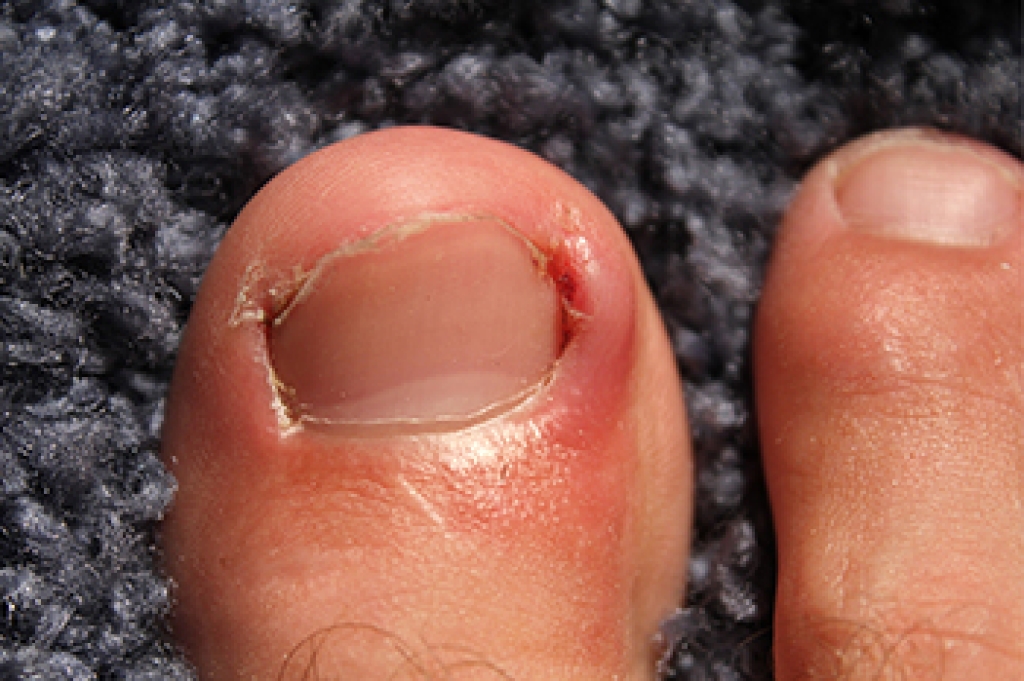
When an Ingrown Toenail Keeps Coming Back

An ingrown toenail happens when the edge of a nail grows into the surrounding skin instead of resting above it. This can cause tenderness, swelling, redness, and sometimes drainage, if an infection develops. Tight shoes, improper nail trimming, injury, and natural nail shape can all play a role. Early cases may improve with conservative care, but some ingrown nails continue to return or become increasingly painful. When simpler treatments do not bring relief, a podiatrist may recommend a minor in-office procedure that removes the problem section of the nail while preserving the rest. This targeted approach is commonly chosen because it is straightforward, well-tolerated, and associated with a smooth recovery for many patients. The goal is to ease discomfort and lower the chance of the issue returning. If you have a painful or recurring ingrown toenail, it is strongly suggested that you visit a podiatrist for appropriate treatment solutions.

Ingrown toenails may initially present themselves as a minor discomfort, but they may progress into an infection in the skin without proper treatment. For more information about ingrown toenails, contact Arthur Segall, Jr., DPM of Segall Foot and Ankle. Our doctor can provide the care you need to keep you pain-free and on your feet.

Ingrown Toenails

Ingrown toenails are caused when the corner or side of a toenail grows into the soft flesh surrounding it. They often result in redness, swelling, pain, and in some cases, infection. This condition typically affects the big toe and may recur if it is not treated properly.

Causes

  • Improper toenail trimming
  • Genetics
  • Improper shoe fitting
  • Injury from pedicures or nail picking
  • Abnormal gait
  • Poor hygiene

You are more likely to develop an ingrown toenail if you are obese, have diabetes, arthritis, or have any fungal infection in your nails. Additionally, people who have foot or toe deformities are at a higher risk of developing an ingrown toenail.

Symptoms

Some symptoms of ingrown toenails are redness, swelling, and pain. In rare cases, there may be a yellowish drainage coming from the nail.

Treatment

Ignoring an ingrown toenail can have serious complications. Infections of the nail border can progress to a deeper soft-tissue infection, which can then turn into a bone infection. You should always speak with your podiatrist if you suspect you have an ingrown toenail, especially if you have diabetes or poor circulation.

If you have any questions, please feel free to contact our offices located in Plantation, FL Ft. Lauderdale, F . We offer the newest diagnostic and treatment technologies for all your foot care needs.

Read more about Ingrown Toenails

We Can Treat Your Foot or Ankle Pain

Foot or ankle pain can negatively affect your day-to-day life and can occur due to several different conditions. Pain can also be an indicator of a more serious underlying condition, which is why you should seek professional help as soon as you notice any abnormalities in your feet.

Foot and Ankle Pain Caused by Arthritis

Arthritis in the feet and ankles can develop when the joints become inflamed or the protective cartilage wears down, over time. This often leads to pain and stiffness with movement. It can affect one joint or several areas at once, including the toes, arch, heel, or ankle. Patients notice aching pain, swelling, tenderness, or reduced flexibility that may worsen after walking or standing for long periods of time. Some joints may appear enlarged or feel warm. In advanced cases, the shape of the foot can gradually change. Osteoarthritis, rheumatoid arthritis, and gout are among the most common forms of arthritis that affect the lower extremities. Previous injuries, aging, excess pressure on the joints, and autoimmune disease can all contribute to the condition. A podiatrist can examine the affected joints, evaluate foot mechanics, and recommend treatment to reduce pain and improve mobility. Care may include wearing supportive footwear, targeted exercises, medication, or other therapies designed to protect the joints. If you have foot or ankle pain caused by arthritis, it is suggested that you schedule an appointment with a podiatrist for effective relief and management tips.

Foot Pain

Foot pain can be extremely painful and debilitating. If you have a foot pain, consult with Arthur Segall, Jr., DPM from Segall Foot and Ankle. Our doctor will assess your condition and provide you with quality foot and ankle treatment.

Causes

Foot pain is a very broad condition that could be caused by one or more ailments. The most common include:

  • Bunions
  • Hammertoes
  • Plantar Fasciitis
  • Bone Spurs
  • Corns
  • Tarsal Tunnel Syndrome
  • Ingrown Toenails
  • Arthritis (such as Gout, Rheumatoid, and Osteoarthritis)
  • Flat Feet
  • Injury (from stress fractures, broken toe, foot, ankle, Achilles tendon ruptures, and sprains)
  • And more

Diagnosis

To figure out the cause of foot pain, podiatrists utilize several different methods. This can range from simple visual inspections and sensation tests to X-rays and MRI scans. Prior medical history, family medical history, and any recent physical traumatic events will all be taken into consideration for a proper diagnosis.

Treatment

Treatment depends upon the cause of the foot pain. Whether it is resting, staying off the foot, or having surgery; podiatrists have a number of treatment options available for foot pain.

If you have any questions, please feel free to contact our offices located in Plantation, FL Ft. Lauderdale, F . We offer the newest diagnostic and treatment technologies for all your foot care needs.

Read more about Foot Pain

Connect With Us

Advanced Podiatric Procedures & Services in the Plantation, FL 33324 area