
Connect With Us

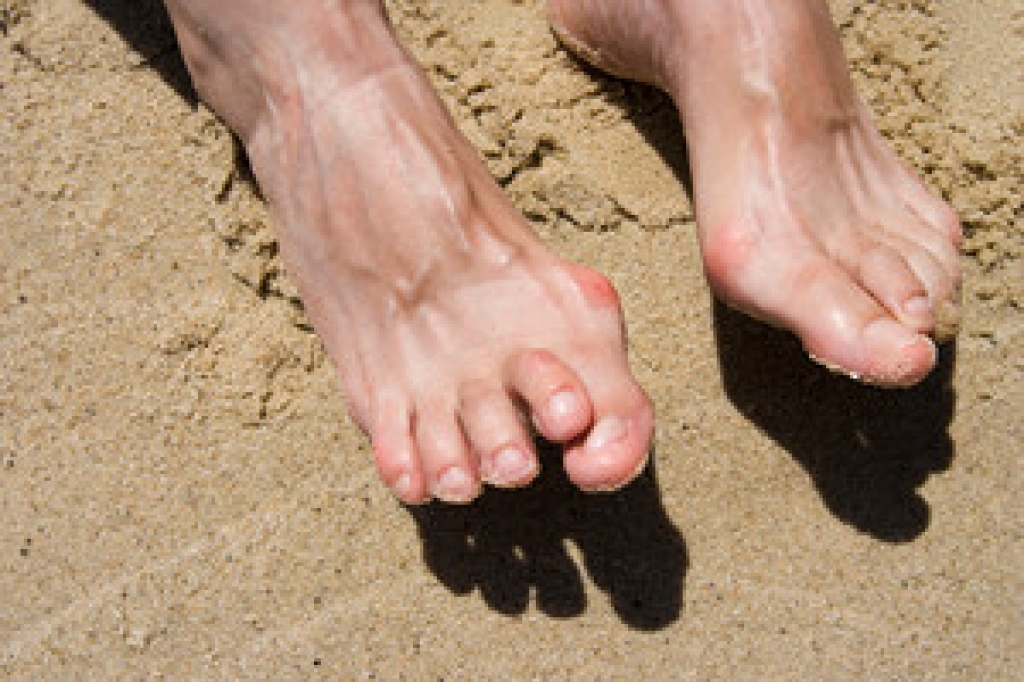
Hammertoe is a foot deformity where a toe bends at the middle joint, causing it to curl downward instead of lying flat. It usually affects the second toe, and happens when the muscles and tendons in the toe are not balanced. This can cause one part of the toe to bend upward while another part bends downward. Hammertoe is seen more often in women, often because of wearing tight or high-heeled shoes. Other causes include muscle imbalance and changes in foot structure. Risk factors include aging, family history, and wearing narrow shoes. Symptoms may include pain, corns, calluses, and trouble finding comfortable shoes. A podiatrist can check your toes, suggest treatments, and help relieve discomfort. If you notice changes in your toes, it is suggested you schedule a visit for care.
Hammertoes can be a painful condition to live with. For more information, contact Arthur Segall, Jr., DPM of Segall Foot and Ankle. Our doctor will answer any of your foot- and ankle-related questions.
Hammertoe
Hammertoe is a foot deformity that occurs due to an imbalance in the muscles, tendons, or ligaments that normally hold the toe straight. It can be caused by the type of shoes you wear, your foot structure, trauma, and certain disease processes.
Symptoms
Risk Factors
Treatment
If you have hammertoe, you should change into a more comfortable shoe that provides enough room for your toes. Exercises such as picking up marbles may strengthen and stretch your toe muscles. Nevertheless, it is important to seek assistance from a podiatrist in order to determine the severity of your hammertoe and see which treatment option will work best for you.
If you have any questions, please feel free to contact our offices located in Plantation, FL Ft. Lauderdale, F . We offer the newest diagnostic and treatment technologies for all your foot care needs.


Springtime can create risks for diabetics, when it comes to foot health. Seasonal changes like warmer weather and footwear can increase the chance of skin irritation and injuries. Diabetes can affect blood flow and nerve function, which may lead to reduced feeling in the feet. This means cuts, blisters, or puncture wounds may go unnoticed and become infected before they are detected. Moist conditions from rain or damp shoes can also weaken the skin and add to the risk of infection. A podiatrist can examine the feet for signs of damage, check circulation and nerve response, and provide nail and skin care in a sterile setting. Treatment options include custom orthotics, protective footwear guidance, and wound care to prevent serious complications and limb loss. If you have foot problems as a complication of diabetes, it is suggested that you make an appointment with a podiatrist for a diagnosis and treatment.
Diabetic foot care is important in preventing foot ailments such as ulcers. If you are suffering from diabetes or have any other concerns about your feet, contact Arthur Segall, Jr., DPM from Segall Foot and Ankle. Our doctor can provide the care you need to keep you pain-free and on your feet.
Diabetic Foot Care
Diabetes affects millions of people every year. The condition can damage blood vessels in many parts of the body, especially the feet. Because of this, taking care of your feet is essential if you have diabetes, and having a podiatrist help monitor your foot health is highly recommended.
The Importance of Caring for Your Feet
Patients with diabetes should have their doctor monitor their blood levels, as blood sugar levels play such a huge role in diabetic care. Monitoring these levels on a regular basis is highly advised.
It is always best to inform your healthcare professional of any concerns you may have regarding your feet, especially for diabetic patients. Early treatment and routine foot examinations are keys to maintaining proper health, especially because severe complications can arise if proper treatment is not applied.
If you have any questions, please feel free to contact our offices located in Plantation, FL Ft. Lauderdale, F . We offer the newest diagnostic and treatment technologies for all your foot care needs.

Foot corns are small areas of thickened skin that develop due to repeated pressure or friction. They commonly form on the top and sides of toes or on weight-bearing areas of the foot where shoes may rub. Corns develop as a protective response when the skin tries to shield itself from irritation. Causes include ill-fitting footwear, abnormal foot structure, and repetitive movement that increases pressure on certain areas. Symptoms may include tenderness, pain, and a hardened raised bump that can make walking uncomfortable. Risk factors include wearing tight shoes, toe deformities, and prolonged standing. A podiatrist can help by safely removing corns, addressing underlying causes, and recommending proper footwear. If you have a painful corn, it is suggested that you consult a podiatrist who can offer effective relief, treatment, and prevention solutions.
If you have any concerns regarding your feet and ankles, contact Arthur Segall, Jr., DPM of Segall Foot and Ankle. Our doctor will treat your foot and ankle needs.
Corns: What Are They? and How Do You Get Rid of Them?
Corns can be described as areas of the skin that have thickened to the point of becoming painful or irritating. They are often layers and layers of the skin that have become dry and rough, and are normally smaller than calluses.
Ways to Prevent Corns
There are many ways to get rid of painful corns such as wearing:
Treating Corns
Treatment of corns involves removing the dead skin that has built up in the specific area of the foot. Consult with Our doctor to determine the best treatment option for your case of corns.
If you have any questions, please feel free to contact our offices located in Plantation, FL Ft. Lauderdale, F . We offer the newest diagnostic and treatment technologies for all your foot care needs.
The Brostrom-Gould technique is a surgical procedure used to repair and stabilize the lateral or outer ankle ligaments after chronic instability or repeated sprains. It is commonly recommended when ligaments have become stretched or torn due to injuries such as ankle sprains, sports trauma, or improper healing. Risk factors include high-impact activities, weak ankle support, and a history of recurrent injuries. During the procedure, the damaged ligaments are tightened and reinforced to restore proper alignment and function of the ankle joint. This helps improve stability, reduce pain, and prevent future injuries. A podiatrist can evaluate ankle instability, determine if this procedure is appropriate, and guide recovery. If you have chronic ankle instability, it is suggested that you consult a podiatrist who can determine if this procedure will help you, explain the benefits, and address any concerns you may have about this form of treatment.
Foot surgery is sometimes necessary to treat a foot ailment. To learn more, contact Arthur Segall, Jr., DPM of Segall Foot and Ankle. Our doctor will assist you with all of your foot and ankle needs.
When Is Surgery Necessary?
Foot and ankle surgery is generally reserved for cases in which less invasive, conservative procedures have failed to alleviate the problem. Some of the cases in which surgery may be necessary include:
What Types of Surgery Are There?
The type of surgery you receive will depend on the nature of the problem you have. Some of the possible surgeries include:
Benefits of Surgery
Although surgery is usually a last resort, it can provide more complete pain relief compared to non-surgical methods and may allow you to finally resume full activity.
Surgical techniques have also become increasingly sophisticated. Techniques like endoscopic surgery allow for smaller incisions and faster recovery times.
If you have any questions, please feel free to contact our offices located in Plantation, FL Ft. Lauderdale, F . We offer the newest diagnostic and treatment technologies for all your foot care needs.
Connect With Us