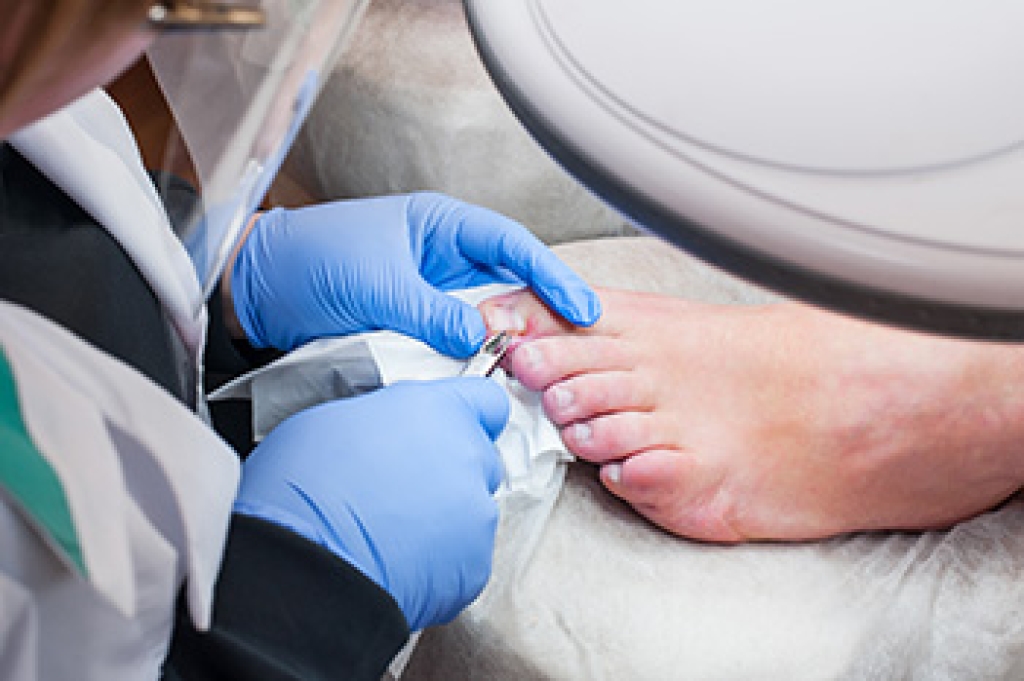
Surgery Types for Ingrown Toenails

An ingrown toenail develops when the edge of a toenail grows into the surrounding skin. It most often affects the big toe and can cause pain, tenderness, and swelling. The skin beside the nail may look irritated or raised, while the nail edge can appear buried under the skin. In more advanced cases, drainage or infection may develop.

Several factors can contribute to ingrown toenails. Cutting nails too short or rounding the corners may encourage the nail to grow into the skin. Wearing tight shoes can also create pressure around the toes. Some people are more prone to ingrown toenails because of naturally curved nails, repeated toe injuries, or nail changes. Recognizing these risk factors can help reduce future problems. Proper nail trimming and comfortable footwear may lower pressure around the affected toe.


When an ingrown toenail keeps returning or causes significant pain, a podiatrist may recommend surgery. A partial nail avulsion removes the portion of the nail growing into the skin while leaving the remaining nail in place. A total nail avulsion removes the entire nail and may be considered for certain conditions. A podiatrist may also perform ablation of the nail matrix, which prevents the treated nail portion from growing back. The procedure selected depends on the nail and individual needs.


During treatment, a podiatrist evaluates the toe, checks for infection, and determines the appropriate procedure. Afterward, the toe is dressed and home-care instructions are provided to support healing. Patients may be advised to keep pressure away from the toe and attend follow-up visits. If you have painful ingrown toenails, it is suggested that you consult a podiatrist for an accurate diagnosis and appropriate treatment, which may include minor surgery. 

Foot surgery is sometimes necessary to treat a foot ailment. To learn more, contact Arthur Segall, Jr., DPM of Segall Foot and Ankle. Our doctor will assist you with all of your foot and ankle needs.

When Is Surgery Necessary?

Foot and ankle surgery is generally reserved for cases in which less invasive, conservative procedures have failed to alleviate the problem. Some of the cases in which surgery may be necessary include:

  • Removing foot deformities like bunions and bone spurs
  • Severe arthritis that has caused bone issues
  • Cosmetic reconstruction

What Types of Surgery Are There?

The type of surgery you receive will depend on the nature of the problem you have. Some of the possible surgeries include:

  • Bunionectomy for painful bunions
  • Surgical fusion for realignment of bones
  • Neuropathy decompression surgery to treat nerve damage

Benefits of Surgery

Although surgery is usually a last resort, it can provide more complete pain relief compared to non-surgical methods and may allow you to finally resume full activity.

Surgical techniques have also become increasingly sophisticated. Techniques like endoscopic surgery allow for smaller incisions and faster recovery times.

If you have any questions, please feel free to contact our offices located in Plantation, FL Ft. Lauderdale, F . We offer the newest diagnostic and treatment technologies for all your foot care needs.

Read more about Foot Surgery

Kohler Disease and the Importance of Early Podiatry Care

Kohler disease is a rare childhood foot condition that affects one of the small bones in the middle of the foot, known as the navicular bone. It most often develops in children between the ages of 4 and 7, especially boys, although girls can also be affected. The condition occurs when the blood supply to the bone is temporarily reduced, causing the bone to become irritated before it gradually heals. Children with Kohler disease may begin limping or avoid putting weight on the affected foot because of discomfort. Since many childhood foot problems produce similar symptoms, a professional evaluation is important for an accurate diagnosis. Early assessment can also help rule out fractures, infections, or other conditions that may require different treatment.


Symptoms of Kohler disease usually involve pain along the inner part of the foot where the affected bone is located. Many children experience tenderness, swelling, or discomfort while walking. Others may avoid running or playing, because activity increases pain. In some cases, a child may begin walking on the outside of the foot to reduce pressure on the painful area. Symptoms often develop gradually and may be mistaken for a minor injury at first. Prompt evaluation is important because persistent foot pain in children should never be ignored. Identifying the cause early helps guide appropriate treatment and supports healthy foot development.


A podiatrist specializes in diagnosing and treating both common and rare foot conditions, including Kohler disease. During an examination, the podiatrist reviews symptoms, evaluates the child's foot, and may recommend imaging studies to confirm the diagnosis. Treatment focuses on relieving discomfort, protecting the affected bone, and monitoring healing as the foot develops. Regular follow-up visits also help ensure the condition is improving and that normal foot function is returning. If your child is experiencing foot pain, limping, or swelling that may be related to Kohler disease, it is suggested that you consult a podiatrist for an evaluation and appropriate treatment options.

Some foot conditions may require additional professional care. If you have any concerns, contact Arthur Segall, Jr., DPM of Segall Foot and Ankle. Our doctor can provide the care you need to keep you pain-free and on your feet.

Rare Foot Conditions

The majority of foot conditions are common and can be treated by a podiatrist.  Standard diagnostic procedures are generally used to identify specific conditions and treatment can be rendered. A podiatrist also treats rare foot conditions which can be difficult to diagnose and may need extra attention and care. 

There are many rare foot conditions that can affect children. Some of these can include:

  • Freiberg’s disease
  • Kohler’s disease
  • Maffucci syndrome

Freiberg’s disease - This can be seen as a deterioration and flattening of a metatarsal bone that exists in the ball of the foot. It typically affects pre-teen and teenage girls, but can affect anyone at any age. Symptoms that can accompany this can be swelling, stiffness, and the patient may limp. 

Kohler’s disease - This often targets the bone in the arch of the foot and affects younger boys. It can lead to an interruption of the blood supply which ultimately can lead to bone deterioration. The patient may limp or experience tenderness, swelling, and redness.

Maffucci syndrome - This affects the long bones in a child’s foot leading to the development of abnormal bone lesions. They are benign growths and typically develop in early childhood and the bones may be susceptible to breaking. 

A podiatrist can properly diagnose and treat all types of rare foot conditions. If your child is affected by any of these symptoms or conditions, please don’t hesitate to call our office so the correct treatment method can begin.

If you have any questions, please feel free to contact our offices located in Plantation, FL Ft. Lauderdale, F . We offer the newest diagnostic and treatment technologies for all your foot care needs.

Read more about Rare Foot Conditions

Do You Suffer From Painful Feet?

Painful deformities, such as hammertoes, can be treated. Stop living with foot pain, and have beautiful feet again!

How Rheumatoid Arthritis Affects the Feet

Rheumatoid arthritis, or RA, is a disease in which the immune system attacks joint tissue. For some people, pain and swelling in the feet are the first signs of RA. In other patients, foot symptoms appear months or years later, or never develop. Rheumatoid arthritis usually affects the small toe joints and where the toes meet the forefoot. It can also affect the joint below the ankle. Early signs include soreness, warmth, and swelling. A sudden period of stronger symptoms is called a flare.

As RA damages joints, pain and swelling can make standing and walking difficult. Joint damage can also cause instability or changes in foot shape. Pressure from these changes can lead to corns, calluses, or open sores. Firm lumps called nodules can develop near the Achilles tendon, heel, or other bony areas. Some patients notice numbness, tingling, or poor temperature awareness because nerves may be affected. Others develop circulation problems that cause cramping while walking or color changes in the toes. New swelling, shape changes, or skin wounds require prompt medical attention.

A podiatrist can examine the feet, identify affected joints, and check the skin. The examination can assess nerve function and blood flow. Treatment focuses on easing pressure, supporting painful joints, and improving foot function. A podiatrist can recommend supportive shoes and prescribe custom orthotics. These specially made shoe inserts can improve balance and reduce stress beneath sore areas. The podiatrist can also safely care for corns and calluses, treat skin wounds, and monitor changes linked to RA. When joint damage is severe, the podiatrist can discuss whether surgery could improve comfort or movement. Regular foot evaluations can help detect concerns before they become harder to manage. If you have foot pain related to rheumatoid arthritis, it is suggested that you schedule an appointment with a podiatrist for effective relief and management solutions.

Because RA affects more than just your joints, including the joints in your feet and ankles, it is important to seek early diagnosis from your podiatrist if you feel like the pain in your feet might be caused by RA. For more information, contact Arthur Segall, Jr., DPM of Segall Foot and Ankle. Our doctor will assist you with all of your podiatric concerns.

What Is Rheumatoid Arthritis?

Rheumatoid Arthritis (RA) is an autoimmune disorder in which the body’s own immune system attacks the membranes surrounding the joints. Inflammation of the lining and eventually the destruction of the joint’s cartilage and bone occur, causing severe pain and immobility.

Rheumatoid Arthritis of the Feet

Although RA usually attacks multiple bones and joints throughout the entire body, almost 90 percent of cases result in pain in the foot or ankle area.

Symptoms

  • Swelling and pain in the feet
  • Stiffness in the feet
  • Pain on the ball or sole of feet
  • Joint shift and deformation

Diagnosis

Quick diagnosis of RA in the feet is important so that the podiatrist can treat the area effectively. Your doctor will ask you about your medical history, occupation, and lifestyle to determine the origin of the condition. Rheumatoid Factor tests help to determine if someone is affected by the disease.

If you have any questions, please feel free to contact our offices located in Plantation, FL Ft. Lauderdale, F . We offer the newest diagnostic and treatment technologies for all your foot care needs.

Read more about Rheumatoid Arthritis in the Feet

Why a Professional Evaluation of a Broken Toe Is Important

A broken toe is a common foot injury that can occur after stubbing the toe, dropping a heavy object on the foot, or experiencing a direct impact during sports or other activities. Although some fractures are minor, others can affect the position and function of the toe. Common symptoms include pain, swelling, and bruising. Some people also notice difficulty walking or putting weight on the affected foot. In certain cases, the toe may appear crooked or become difficult to move. Because the symptoms of a broken toe can be similar to those of a severe sprain, a professional evaluation is important to determine the extent of the injury and recommend the most appropriate treatment.


A broken toe can affect more than the injured bone. Ongoing pain may change the way a person walks, placing additional stress on the rest of the foot. This altered movement can also increase strain on the ankle, knee, or hip. A thorough podiatry examination helps determine which toe is injured and whether the fracture extends into a nearby joint. Imaging studies, such as X-rays, may be recommended to confirm the diagnosis and evaluate bone alignment. Early diagnosis is important because untreated fractures may heal improperly and lead to lasting pain or reduced toe function.


A podiatrist specializes in diagnosing and treating broken toes while monitoring the healing process. Professional care focuses on restoring proper alignment, reducing discomfort, and helping the toe heal as expected. Treatment is tailored to each patient's injury and may be adjusted based on the severity of the fracture. Regular follow-up visits also allow healing to be monitored and any complications to be identified early. If you have toe pain, swelling, or difficulty walking after a foot injury, it is suggested that you consult a podiatrist for an evaluation and appropriate treatment options.

Broken toes may cause a lot of pain and should be treated as soon as possible. If you have any concerns about your feet, contact Arthur Segall, Jr., DPM from Segall Foot and Ankle. Our doctor will treat your foot and ankle needs.

What Is a Broken Toe?

A broken toe occurs when one or more of the toe bones of the foot are broken after an injury. Injuries such as stubbing your toe or dropping a heavy object on it may cause a toe fracture.

Symptoms of a Broken Toe

  • Swelling
  • Pain (with/without wearing shoes)
  • Stiffness
  • Nail Injury

Although the injured toe should be monitored daily, it is especially important to have a podiatrist look at your toe if you have severe symptoms. Some of these symptoms include worsening or new pain that is not relieved with medication, sores, redness, or open wounds near the toe.

If you have any questions please feel free to contact our offices located in Plantation, FL Ft. Lauderdale, F . We offer the newest diagnostic tools and technology to treat your foot and ankle needs.

Read more about What to Know About a Broken Toe

Connect With Us

Advanced Podiatric Procedures & Services in the Plantation, FL 33324 area