Aging Feet May Cause Foot Pain

As you age, changes in your feet can make walking less comfortable and everyday activities more challenging. The natural cushioning beneath the feet may thin, skin can become drier, and joints may lose flexibility. These changes can increase the likelihood of foot pain and affect balance. Common age-related foot problems include plantar fasciitis, stress fractures, and bunions. Symptoms may develop gradually, making it easy to dismiss discomfort as a normal part of getting older. However, persistent pain deserves attention because early treatment can help preserve mobility and prevent further complications.

Plantar fasciitis develops when the plantar fascia, a thick band of tissue supporting the arch, becomes irritated from repeated strain. Aging, prolonged standing, and tight calf muscles can increase the risk. A common symptom is sharp heel pain during the first steps after waking or resting. The discomfort may ease with movement but return after extended activity. Supportive shoes and appropriate stretching may help reduce strain, while a podiatrist can recommend additional treatment based on the severity of symptoms.


Stress fractures are small cracks in bones caused by repeated pressure or overuse. As bones gradually lose density with age, they may become more vulnerable to these injuries. Increasing walking activity too quickly or wearing unsupportive footwear can also contribute. Symptoms often include localized pain that worsens with weight-bearing and swelling near the affected bone. Rest and reduced weight-bearing are important, and a podiatrist may order imaging to confirm the injury and recommend a boot or other protection.


Bunions develop when the joint at the base of the big toe shifts out of alignment, creating a noticeable bump on the side of the foot. Genetics, arthritis, and wearing narrow footwear can contribute to their development. Symptoms include tenderness and difficulty finding comfortable shoes. A podiatrist can assess foot alignment and recommend wider footwear, padding, or custom orthotics. Severe cases may require surgery. If you have age-related foot pain, it is suggested that you consult a podiatrist for an accurate diagnosis and appropriate treatment.

Proper foot care is something many older adults forget to consider. If you have any concerns about your feet and ankles, contact Arthur Segall, Jr., DPM from Segall Foot and Ankle. Our doctor can provide the care you need to keep you pain-free and on your feet.

The Elderly and Their Feet

As we age we start to notice many changes in our body, but the elder population may not notice them right away. Medical conditions may prevent the elderly to take notice of their foot health right away. Poor vision is a lead contributor to not taking action for the elderly.

Common Conditions 

  • Neuropathy – can reduce feeling in the feet and can hide many life-threatening medical conditions.
  • Reduced flexibility – prevents the ability of proper toenail trimming, and foot cleaning. If left untreated, it may lead to further medical issues.
  • Foot sores – amongst the older population can be serious before they are discovered. Some of the problematic conditions they may face are:
  • Gouging toenails affecting nearby toe
  • Shoes that don’t fit properly
  • Pressure sores
  • Loss of circulation in legs & feet
  • Edema & swelling of feet and ankles

Susceptible Infections

Diabetes and poor circulation can cause general loss of sensitivity over the years, turning a simple cut into a serious issue.

If you have any questions, please feel free to contact our offices located in Plantation, FL Ft. Lauderdale, F . We offer the newest diagnostic and treatment technologies for all your foot care needs.

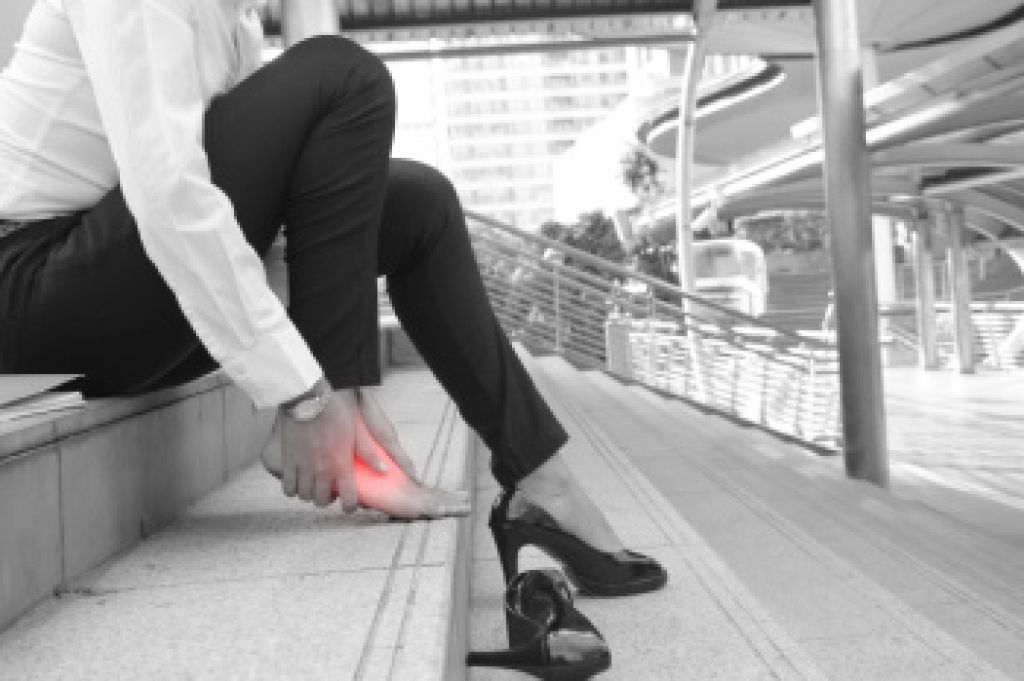
Read more about Taking Care of Elderly Feet

How High Heels Affect Your Feet and Ankles

High heels change more than a person's height. They shift body weight toward the front of the foot, increasing pressure beneath the toes and the ball of the foot. This position also changes the way the feet move while walking and requires adjustments in posture. Although high heels may offer a preferred appearance and a boost in confidence, these benefits do not protect against foot problems. The height and shape of the heel matter, along with how well the shoe fits and how long it is worn.

A narrow toe box squeezes the toes together, aggravating bunions and contributing to bent toes called hammertoes. Repeated friction also encourages corns and calluses, which are areas of thickened skin. Pressure beneath the forefoot sometimes irritates nerves, causing burning or numbness that spreads into the toes. A high-heeled shoe keeps the calf muscles and Achilles tendon in a shortened position. Frequent use may contribute to tightness that makes flatter shoes uncomfortable. Thin or spiked heels provide a smaller base of support. This increases ankle instability, the risk of injury, and a loss of balance. As a result, the chance of falling, spraining an ankle, or breaking a bone increases.

A podiatrist evaluates painful areas and checks foot alignment, joint movement, and walking patterns. This assessment helps determine whether symptoms come from pressure or an underlying condition aggravated by the shoes. Treatment includes recommendations for shoe fit and podiatric care for painful corns or calluses. The podiatrist may prescribe cushioning or custom shoe inserts made specifically for high heels. Recommendations for a wider toe box, a lower heel, and a thicker heel address pressure and stability. Persistent pain sometimes requires digital imaging to identify bone or joint problems and guide further treatment. If you have foot pain after wearing high heels, it is suggested that you schedule an appointment with a podiatrist for effective relief tips. 

High heels have a history of causing foot and ankle problems. If you have any concerns about your feet or ankles, contact Arthur Segall, Jr., DPM from Segall Foot and Ankle. Our doctor can provide the care you need to keep you pain-free and on your feet.

Effects of High Heels on the Feet

High heels are popular shoes among women because of their many styles and societal appeal.  Despite this, high heels can still cause many health problems if worn too frequently.

Which Parts of My Body Will Be Affected by High Heels?

  • Ankle Joints
  • Achilles Tendon – May shorten and stiffen with prolonged wear
  • Balls of the Feet
  • Knees – Heels cause the knees to bend constantly, creating stress on them
  • Back – They decrease the spine’s ability to absorb shock, which may lead to back pain.  The vertebrae of the lower back may compress.

What Kinds of Foot Problems Can Develop from Wearing High Heels?

  • Corns
  • Calluses
  • Hammertoe
  • Bunions
  • Morton’s Neuroma
  • Plantar Fasciitis

How Can I Still Wear High Heels and Maintain Foot Health?

If you want to wear high heeled shoes, make sure that you are not wearing them every day, as this will help prevent long term physical problems.  Try wearing thicker heels as opposed to stilettos to distribute weight more evenly across the feet.  Always make sure you are wearing the proper shoes for the right occasion, such as sneakers for exercising.  If you walk to work, try carrying your heels with you and changing into them once you arrive at work.  Adding inserts to your heels can help cushion your feet and absorb shock. Full foot inserts or metatarsal pads are available. 

If you have any questions, please feel free to contact our offices located in Plantation, FL Ft. Lauderdale, F . We offer the newest diagnostic and treatment technologies for all your foot care needs.
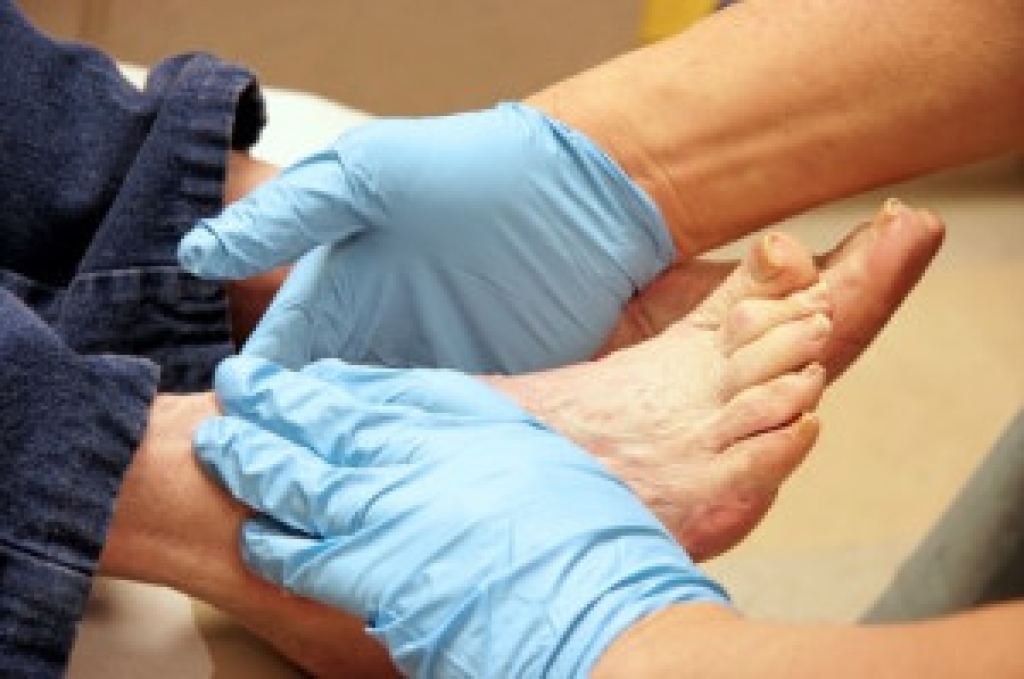
Read more about Effect of High Heels on the Feet

Diabetes and Keeping Your Feet Healthy

Diabetes is a metabolic disorder that affects how the body uses blood sugar for energy. When blood sugar remains too high, it can gradually affect nerves and blood vessels throughout the body. The feet can be especially vulnerable because reduced sensation and poor circulation may make injuries harder to notice and heal. A small blister, cut, or sore can become a serious foot problem when it goes untreated. Learning how diabetes affects the feet can help you protect your comfort, mobility, and overall foot health.

Diabetes may damage nerves, a condition called diabetic neuropathy. This can cause numbness, tingling, or reduced feeling in the feet. High blood sugar can also affect blood vessels and reduce blood flow. When circulation is poor, the feet may not receive enough oxygen and nutrients needed for healing. Risk factors include uncontrolled blood sugar, smoking, and a history of foot problems. Regular medical care and good blood sugar management can help lower the risk of complications.

Daily foot care is an important part of living with diabetes. Check both feet every day for cuts, blisters, or changes in the skin. Wash your feet with warm water and mild soap, then dry them carefully. Choose comfortable shoes that fit well, and avoid walking barefoot. Regular exercise can support healthy blood flow to the feet, while avoiding smoking can further protect circulation. If you notice a wound or unusual change, do not ignore it or wait for it to improve.

A podiatrist can help prevent and manage diabetes-related foot problems. During an examination, the podiatrist may check sensation, circulation, and areas of pressure. If a wound is present, treatment by a podiatrist may include cleaning, debridement, and infection management. The podiatrist may also recommend diabetic footwear or other protective measures. If you have diabetes and have developed foot problems,  it is strongly suggested that you are under the care of a podiatrist who can help you to manage this serious condition.

Diabetic foot care is important in preventing foot ailments such as ulcers. If you are suffering from diabetes or have any other concerns about your feet, contact Arthur Segall, Jr., DPM from Segall Foot and Ankle. Our doctor can provide the care you need to keep you pain-free and on your feet.

Diabetic Foot Care

Diabetes affects millions of people every year. The condition can damage blood vessels in many parts of the body, especially the feet. Because of this, taking care of your feet is essential if you have diabetes, and having a podiatrist help monitor your foot health is highly recommended.

The Importance of Caring for Your Feet

  • Routinely inspect your feet for bruises or sores.
  • Wear socks that fit your feet comfortably.
  • Wear comfortable shoes that provide adequate support.

Patients with diabetes should have their doctor monitor their blood levels, as blood sugar levels play such a huge role in diabetic care. Monitoring these levels on a regular basis is highly advised.

It is always best to inform your healthcare professional of any concerns you may have regarding your feet, especially for diabetic patients. Early treatment and routine foot examinations are keys to maintaining proper health, especially because severe complications can arise if proper treatment is not applied.

If you have any questions, please feel free to contact our offices located in Plantation, FL Ft. Lauderdale, F . We offer the newest diagnostic and treatment technologies for all your foot care needs.
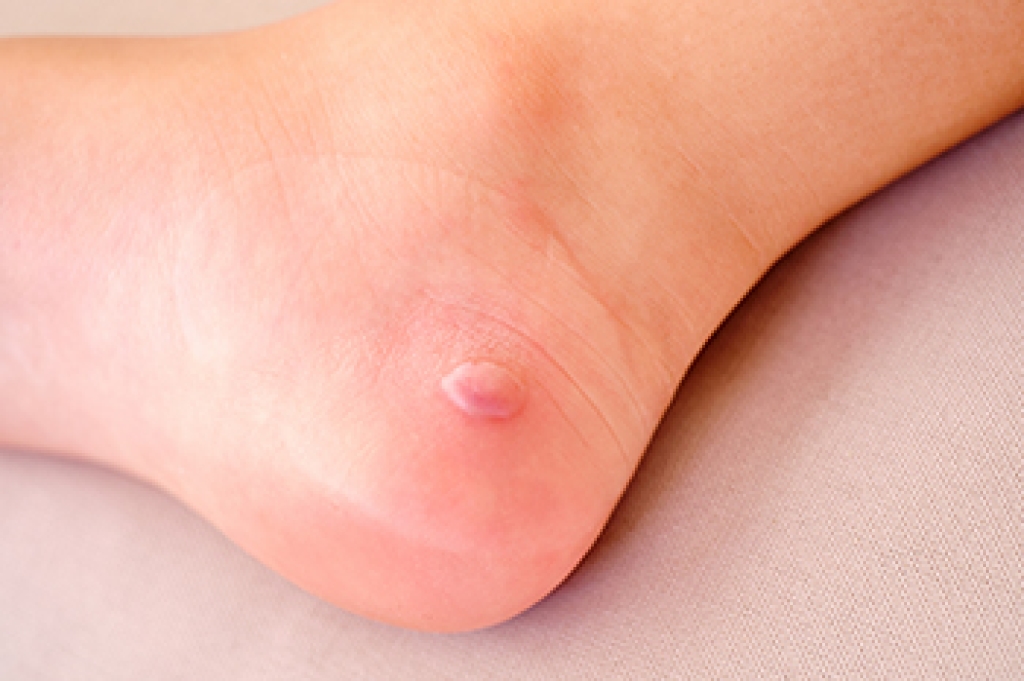
Read more about Diabetic Foot Conditions

Why Do I Keep Getting Blisters on My Feet?

Foot blisters are fluid-filled pockets that form under the skin and can make every step uncomfortable. Friction is a frequent cause, especially when shoes are too tight or rub the same area repeatedly. The clear liquid inside most blisters is called serum, which comes from nearby tissues after the skin is injured. Blood blisters contain blood instead. Friction blisters are usually painful and can interfere with walking, exercise, or work. Although many blisters result from burns, allergies and infections can also cause blistering on the skin.

The appearance and symptoms of a blister can offer clues about its cause. Most blisters are round or oval and contain fluid beneath the skin. Some are painful, while others can itch or cause little discomfort. Blisters linked to infection can look different and may occur with other symptoms. Increasing redness, swelling, or worsening pain around a blister can signal infection. Oozing blood or pus is another warning sign. Blisters with an unknown cause or those that are very painful deserve professional evaluation, especially when they keep returning.

A podiatrist can examine foot blisters to determine what is causing them and whether infection is present. The evaluation can also identify pressure points and areas where shoes are rubbing the skin. For a large or painful blister, a podiatrist can drain it safely and protect the area from infection. A podiatrist can also recommend shoe changes or padding to reduce repeated friction and pressure. Patients with recurring blisters can benefit from an evaluation of foot structure and how their shoes fit. Addressing the source of repeated rubbing can help protect vulnerable areas of skin. If you have symptoms of blisters, it is suggested that you schedule an appointment with a podiatrist for diagnosis and treatment.

Blisters are prone to making everyday activities extremely uncomfortable. If your feet are hurting, contact Arthur Segall, Jr., DPM of Segall Foot and Ankle. Our doctor can provide the care you need to keep you pain-free and on your feet.

Foot Blisters

Foot blisters develop as a result of constantly wearing tight or ill-fitting footwear. This happens due to the constant rubbing from the shoe, which can often lead to pain.

What Are Foot Blisters?

A foot blister is a small fluid-filled pocket that forms on the upper-most layer of the skin. Blisters are filled with clear fluid and can lead to blood drainage or pus if the area becomes infected.

How Do Blisters Form?

Blisters on the feet are often the result of constant friction of skin and material, usually by shoe rubbing. Walking in sandals, boots, or shoes that don’t fit properly for long periods of time can result in a blister. Having consistent foot moisture and humidity can easily lead to blister formation.

Prevention & Treatment

It is important to properly care for the affected area in order to prevent infection and ease the pain. Do not lance the blister and use a Band-Aid to provide pain relief. Also, be sure to keep your feet dry and wear proper fitting shoes. If you see blood or pus in a blister, seek assistance from a podiatrist.

If you have any questions, please feel free to contact our offices located in Plantation, FL Ft. Lauderdale, F . We offer the newest diagnostic and treatment technologies for all your foot care needs.

Read more about Blisters

Connect With Us

Advanced Podiatric Procedures & Services in the Plantation, FL 33324 area