Items filtered by date: October 2025

Tuesday, 28 October 2025 00:00

Causes and Prevention of Falls in Seniors

Falls among seniors often stem from changes in the feet and ankles that reduce stability and increase the risk of losing balance. Weakness in foot muscles, arthritis in the toe joints, or stiffness in the ankles can limit mobility and make walking less secure. Nerve damage or reduced sensation in the feet can cause difficulty in feeling the ground, which may lead to tripping or stumbling. Poorly fitting footwear, such as shoes that lack adequate support or flip-flops, can also increase the likelihood of a fall. Injuries from falls include sprains, fractures, or torn ligaments, which can have long-lasting effects on mobility and independence. A podiatrist can evaluate gait, check for structural changes in the feet, recommend supportive footwear, and, if needed, suggest surgery to correct deformities that impair balance. If you are a senior who has fallen or is experiencing stability issues, it is suggested that you schedule an appointment with a podiatrist for an exam and appropriate treatment.

Preventing falls among the elderly is very important. If you are older and have fallen or fear that you are prone to falling, consult with Arthur Segall, Jr., DPM from Segall Foot and Ankle. Our doctor will assess your condition and provide you with quality advice and care.

Every 11 seconds, an elderly American is being treated in an emergency room for a fall related injury. Falls are the leading cause of head and hip injuries for those 65 and older. Due to decreases in strength, balance, senses, and lack of awareness, elderly persons are very susceptible to falling. Thankfully, there are a number of things older persons can do to prevent falls.

How to Prevent Falls

Some effective methods that older persons can do to prevent falls include:

  • Enrolling in strength and balance exercise program to increase balance and strength
  • Periodically having your sight and hearing checked
  • Discuss any medications you have with a doctor to see if it increases the risk of falling
  • Clearing the house of falling hazards and installing devices like grab bars and railings
  • Utilizing a walker or cane
  • Wearing shoes that provide good support and cushioning
  • Talking to family members about falling and increasing awareness

Falling can be a traumatic and embarrassing experience for elderly persons; this can make them less willing to leave the house, and less willing to talk to someone about their fears of falling. Doing such things, however, will increase the likelihood of tripping or losing one’s balance. Knowing the causes of falling and how to prevent them is the best way to mitigate the risk of serious injury.  

If you have any questions, please feel free to contact our offices located in Plantation, FL Ft. Lauderdale, F . We offer the newest diagnostic and treatment technologies for all your foot care needs.

Read more about Falls Prevention

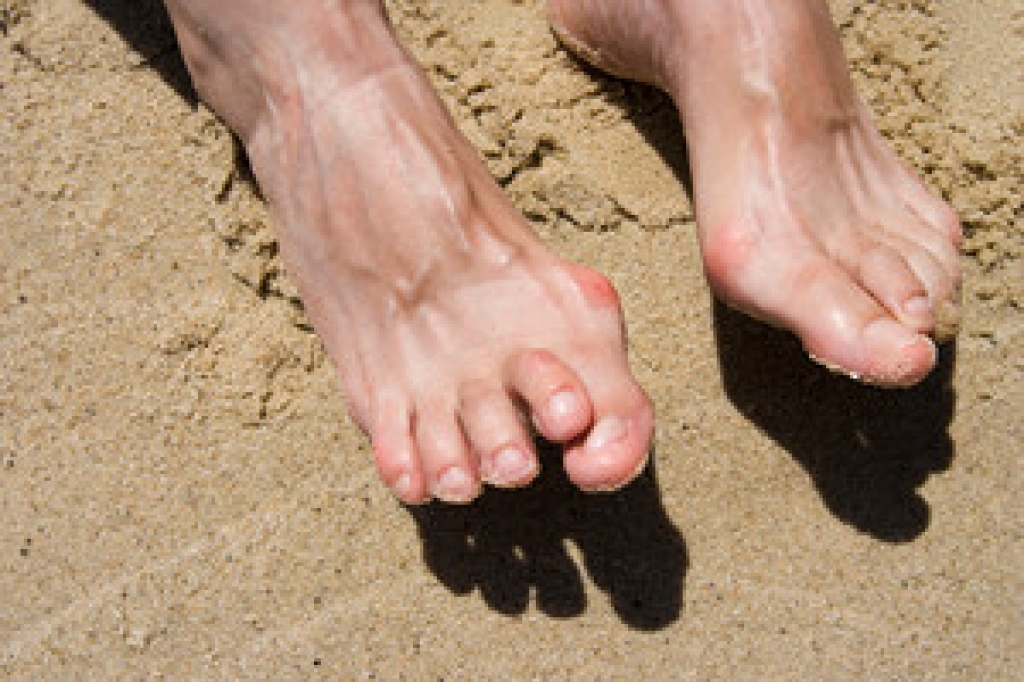
Gout is a type of inflammatory arthritis caused by a buildup of uric acid crystals in the joints, commonly affecting the big toe, but also other parts of the foot and ankle. Symptoms include sudden, severe pain, redness, swelling, and warmth surrounding the affected joint. Attacks often occur at night and can last for several days, making walking and wearing shoes uncomfortable. Causes of gout include genetics, a diet high in purines, obesity, certain medications, and underlying health conditions like kidney disease. Visually, the affected joint may appear swollen and red, and the pain is often described as intense and throbbing. A podiatrist can diagnose gout through a physical examination, patient history, and blood tests to measure uric acid levels. Treatment includes medication to reduce inflammation and pain, lifestyle modifications, dietary changes, and, in some cases, joint drainage. To manage symptoms and prevent flare-ups, it is suggested that you schedule an appointment with a podiatrist.

Gout is a foot condition that requires certain treatment and care. If you are seeking treatment, contact Arthur Segall, Jr., DPM from Segall Foot and Ankle. Our doctor will treat your foot and ankle needs.

What Is Gout?

Gout is a type of arthritis caused by a buildup of uric acid in the bloodstream. It often develops in the foot, especially the big toe area, although it can manifest in other parts of the body as well. Gout can make walking and standing very painful and is especially common in diabetics and the obese.

People typically get gout because of a poor diet. Genetic predisposition is also a factor. The children of parents who have had gout frequently have a chance of developing it themselves.

Gout can easily be identified by redness and inflammation of the big toe and the surrounding areas of the foot. Other symptoms include extreme fatigue, joint pain, and running high fevers. Sometimes corticosteroid drugs can be prescribed to treat gout, but the best way to combat this disease is to get more exercise and eat a better diet.

If you have any questions, please feel free to contact our offices located in Plantation, FL Ft. Lauderdale, F . We offer the newest diagnostic and treatment technologies for all your foot care needs.
Read more about Everything You Need to Know About Gout

Finding the right shoes for marathon running is essential for comfort, performance, and injury prevention. Shoes should provide enough length to allow natural toe movement, proper width to avoid pressure, and a secure heel fit that prevents slipping. The overall feel should support your stride without causing rubbing or tightness. Wearing the wrong shoes can lead to blisters, calluses, plantar fasciitis, or even stress fractures, over time. A podiatrist can assess your foot structure, gait and any existing conditions, as well as recommend footwear that match your needs. If you are training for a marathon, it is suggested that you consult a podiatrist to ensure you have the right support for your feet and reduce your risk of painful setbacks.

You should always make sure your running shoes fit properly in order to avoid injury. For more information, contact Arthur Segall, Jr., DPM from Segall Foot and Ankle. Our doctor can provide the care you need to keep you pain-free and on your feet.

Choosing the Right Running Shoe for Your Foot Type

Improper shoe sizing can cause a myriad of problems for your feet. Shoes that don’t fit you properly can lead to muscular imbalances in your body, which can result in foot, knee, and hip injuries.

Tips for Finding the Right Running Shoe

  • Make sure you have a thumb’s width of wiggle room between the end of your longest toe and the front of the shoe.
  • There should be little to no slipping at the heel
  • Don’t assume your size in one shoe brand will be your size in another
  • Do not lace up your shoes too tightly
  • Walk around in the store with your new shoes before you buy them

If you have any questions, please feel free to contact our offices located in Plantation, FL Ft. Lauderdale, F . We offer the newest diagnostic and treatment technologies for all your foot care needs.
Read more about Differences between Walking and Running Shoes

Ankle arthritis is a condition where the cartilage in the ankle joint wears down, causing pain, swelling, and stiffness that limit mobility. When conservative treatments are not effective, ankle surgery may be recommended. Ankle arthroscopy uses small instruments to remove damaged tissue and smooth the joint. Ankle fusion joins the bones of the ankle to eliminate pain and increase stability. Additionally, joint replacement replaces the damaged joint with an artificial implant to restore movement. A podiatrist can assess your condition, recommend the best treatment, and provide exercise  guidance for long term success. If arthritis is affecting your ankles, it is suggested that you schedule an appointment with a podiatrist to explore whether surgical options are right for you.

Foot surgery is sometimes necessary to treat a foot ailment. To learn more, contact Arthur Segall, Jr., DPM of Segall Foot and Ankle. Our doctor will assist you with all of your foot and ankle needs.

When Is Surgery Necessary?

Foot and ankle surgery is generally reserved for cases in which less invasive, conservative procedures have failed to alleviate the problem. Some of the cases in which surgery may be necessary include:

  • Removing foot deformities like bunions and bone spurs
  • Severe arthritis that has caused bone issues
  • Cosmetic reconstruction

What Types of Surgery Are There?

The type of surgery you receive will depend on the nature of the problem you have. Some of the possible surgeries include:

  • Bunionectomy for painful bunions
  • Surgical fusion for realignment of bones
  • Neuropathy decompression surgery to treat nerve damage

Benefits of Surgery

Although surgery is usually a last resort, it can provide more complete pain relief compared to non-surgical methods and may allow you to finally resume full activity.

Surgical techniques have also become increasingly sophisticated. Techniques like endoscopic surgery allow for smaller incisions and faster recovery times.

If you have any questions, please feel free to contact our offices located in Plantation, FL Ft. Lauderdale, F . We offer the newest diagnostic and treatment technologies for all your foot care needs.

Read more about Foot Surgery
Sunday, 05 October 2025 00:00

Do Your Child's Feet Hurt?

Have your child's feet been examined lately? Healthy feet are happy feet. If your child is complaining of foot pain, it may be a sign of underlying problems.

Connect With Us

Advanced Podiatric Procedures & Services in the Plantation, FL 33324 area