
Why Toenail Fungus Develops More Easily in Some People

Onychomycosis is the medical term for a fungal infection that affects the toenails, often causing thickening, discoloration, crumbling, or changes in nail shape. While anyone can develop this condition, some individuals are more likely to experience it because of underlying health concerns or environmental exposure. Reduced circulation, diabetes, repeated nail trauma, and increasing age may make the nails more vulnerable to infection. People who frequently wear tight shoes, have excessive foot perspiration, or spend time in shared damp spaces such as locker rooms may also face a greater chance of developing fungal nail problems. Athlete’s foot, which is a fungal skin infection affecting the feet, can sometimes spread into the nails, if left untreated. A podiatrist can confirm whether nail changes are caused by fungus or another condition, and recommend proper treatment. If your toenails become thickened, brittle, or discolored, it is suggested that you visit a podiatrist for an evaluation and appropriate treatment.

If left untreated, toenail fungus may spread to other toenails, skin, or even fingernails. If you suspect you have toenail fungus it is important to seek treatment right away. For more information about treatment, contact Arthur Segall, Jr., DPM of Segall Foot and Ankle. Our doctor can provide the care you need to keep you pain-free and on your feet.

Symptoms

  • Warped or oddly shaped nails
  • Yellowish nails
  • Loose/separated nail
  • Buildup of bits and pieces of nail fragments under the nail
  • Brittle, broken, thickened nail

Treatment

If self-care strategies and over-the-counter medications does not help your fungus, your podiatrist may give you a prescription drug instead. Even if you find relief from your toenail fungus symptoms, you may experience a repeat infection in the future.

Prevention

In order to prevent getting toenail fungus in the future, you should always make sure to wash your feet with soap and water. After washing, it is important to dry your feet thoroughly especially in between the toes. When trimming your toenails, be sure to trim straight across instead of in a rounded shape. It is crucial not to cover up discolored nails with nail polish because that will prevent your nail from being able to “breathe”.

In some cases, surgical procedure may be needed to remove the toenail fungus. Consult with your podiatrist about the best treatment options for your case of toenail fungus.  

If you have any questions please contact our offices located in Plantation, FL Ft. Lauderdale, F . We offer the newest diagnostic and treatment technologies for all your foot and ankle needs.
Read more about Toenail Fungus

Understanding Ankle Pain and Your Treatment Options

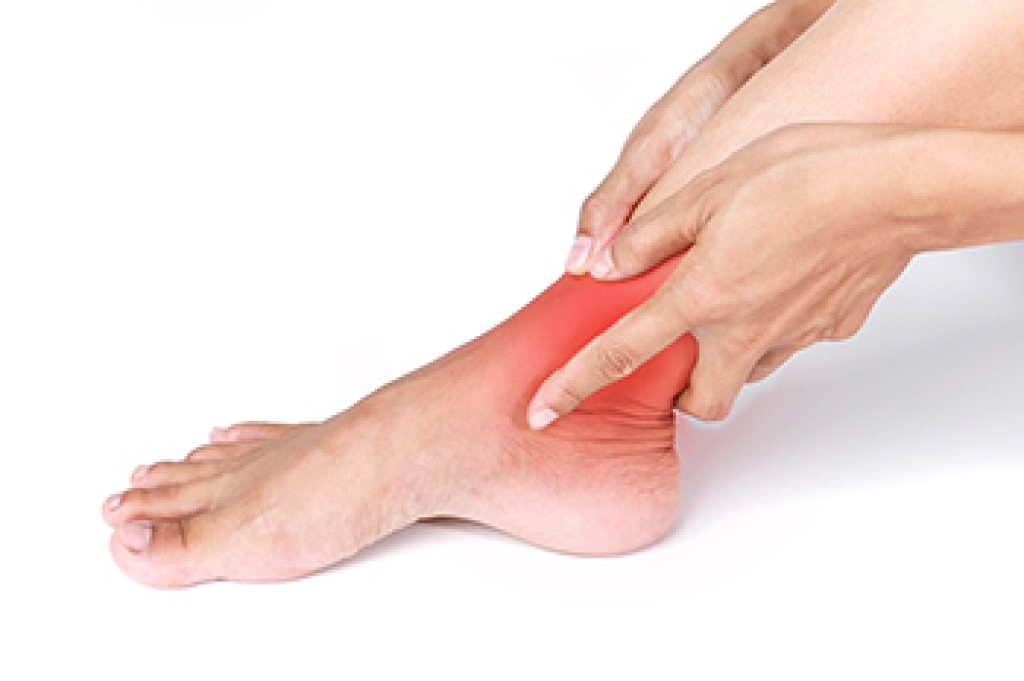
Ankle pain can make it difficult to stay active and perform everyday tasks. The ankle is a complex joint made of bones, ligaments, and cartilage that work together to provide support and movement. Ligaments are strong bands of tissue that connect bones, while tendons connect muscles to bones. Pain can develop after an injury or from repeated stress placed on the joint. Arthritis, tendon injuries, and ligament damage also can lead to ankle pain. Wearing shoes that lack proper support can place extra strain on the ankle and surrounding tissues. Symptoms include pain, swelling, and tenderness. Some patients also notice bruising, weakness, or difficulty while walking. In more serious cases, the ankle can feel unstable or give way during activity.

A podiatrist begins by learning when the pain started and how it affects daily activities. The examination includes checking the ankle for swelling, tenderness, and range of motion. The podiatrist also watches how the patient stands and walks to identify problems with balance or movement. Imaging tests, like X-rays, an ultrasound, or MRI scans, help identify broken bones, torn ligaments, or tendon injuries. Finding the exact cause of ankle pain is important because different conditions require different types of treatment. An accurate diagnosis also helps prevent the problem from becoming more severe and supports a safer return to normal activities.

Treatment depends on the cause and severity of the ankle pain. A podiatrist creates a care plan that improves movement while reducing stress on the injured joint. Treatment includes custom orthotics to improve foot alignment and provide better support. It also includes stretching and strengthening exercises to improve stability. Patients with severe ligament tears, advanced arthritis, or complex fractures may require surgery. If you have ankle pain, it is suggested that you schedule an appointment with a podiatrist for a  diagnosis and appropriate treatment.

Ankle pain can have many different causes and the pain may potentially be serious. If you have ankle pain, consult with Arthur Segall, Jr., DPM from Segall Foot and Ankle. Our doctor will assess your condition and provide you with quality foot and ankle treatment.

Ankle pain is any condition that causes pain in the ankle. Due to the fact that the ankle consists of tendons, muscles, bones, and ligaments, ankle pain can come from a number of different conditions.

Causes

The most common causes of ankle pain include:

  • Types of arthritis (rheumatoid, osteoarthritis, and gout)
  • Ankle sprains
  • Broken ankles
  • Achilles tendinitis
  • Achilles tendon rupture
  • Stress fractures
  • Tarsal tunnel syndrome
  • Plantar fasciitis

Symptoms

Symptoms of ankle injury vary based upon the condition. Pain may include general pain and discomfort, swelling, aching, redness, bruising, burning or stabbing sensations, and/or loss of sensation.

Diagnosis

Due to the wide variety of potential causes of ankle pain, podiatrists will utilize a number of different methods to properly diagnose ankle pain. This can include asking for personal and family medical histories and of any recent injuries. Further diagnosis may include sensation tests, a physical examination, and potentially x-rays or other imaging tests.

Treatment

Just as the range of causes varies widely, so do treatments. Some more common treatments are rest, ice packs, keeping pressure off the foot, orthotics and braces, medication for inflammation and pain, and surgery.

If you have any questions please feel free to contact our offices located in Plantation, FL Ft. Lauderdale, F . We offer the newest diagnostic tools and technology to treat your foot and ankle needs.

Read more about Various Causes of Ankle Pain

Understanding Clubfoot in Newborns and Early Childhood

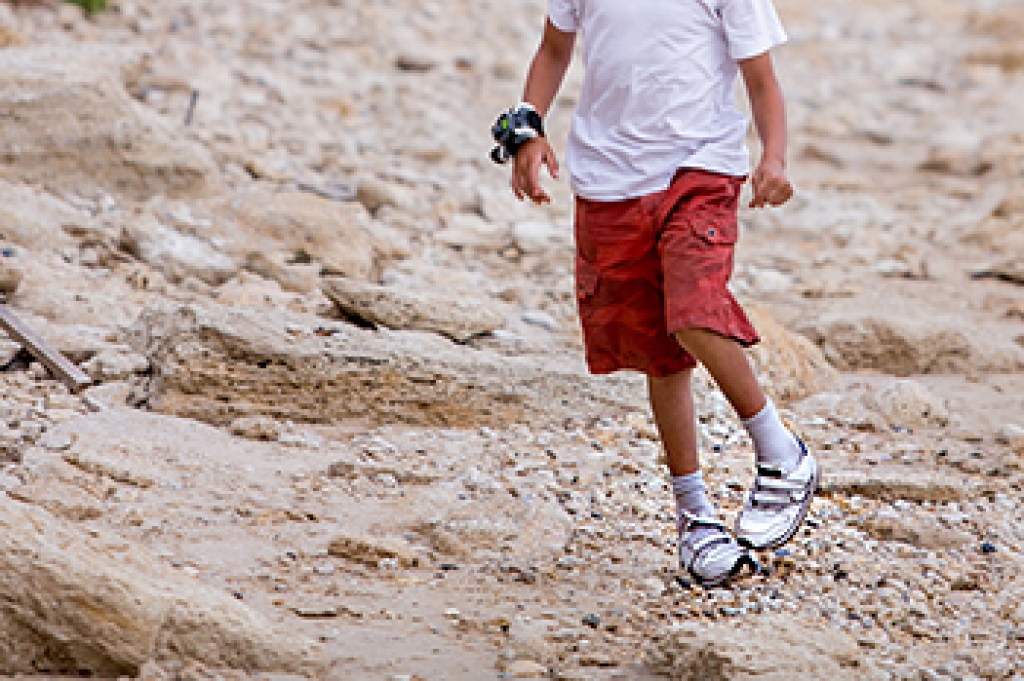
Clubfoot is a congenital foot deformity that is present at birth and affects the position and structure of a baby’s foot. In this condition, the foot appears twisted downward and inward, which can make it difficult for the sole to rest flat on the ground. Clubfoot can affect one or both feet and varies in severity. It is not caused by how the baby is positioned in the womb, but rather by abnormalities in the muscles, tendons, and bones that develop before birth. Early diagnosis is important because timely treatment can significantly improve long-term function and mobility.

The symptoms of clubfoot are often visible immediately after birth. The foot may appear smaller than normal, with the heel turned inward and the arch exaggerated. The calf muscles on the affected side may also be underdeveloped. While clubfoot itself is not painful in infants, it can lead to discomfort and difficulty walking if left untreated. As a child grows, untreated clubfoot may result in abnormal walking patterns, limited range of motion, and pressure-related skin issues.

The exact cause of clubfoot is not always known, but several risk factors have been identified. Genetics can play a role, especially if there is a family history of the condition. Environmental factors during pregnancy may also contribute. Clubfoot develops as the tendons connecting the muscles to the bones are shorter and tighter than normal, which pulls the foot into an abnormal position. Boys are more commonly affected than girls, and the condition may occur alongside other developmental concerns.

Treatment typically begins shortly after birth and often includes gentle stretching, casting, and bracing to gradually correct the foot’s position. In some cases, minor surgical procedures may be needed to release tight tendons. Early intervention leads to the best outcomes and helps children achieve normal or near normal mobility. If your child has been born with clubfoot, it is suggested that you include a podiatrist on your healthcare team who can contribute to achieving optimum results.

Congenital foot problems require immediate attention to avoid future complications. If you have any concerns, contact Arthur Segall, Jr., DPM of Segall Foot and Ankle. Our doctor can provide the care you need to keep you pain-free and on your feet.

Congenital foot problems are deformities affecting the feet, toes, and/or ankles that children are born with. Some of these conditions have a genetic cause while others just happen. Some specific foot ailments that children may be born with include clubfeet, polydactyly/macrodactyly, and cleft foot. There are several other foot anomalies that can occur congenitally. What all of these conditions have in common is that a child may experience difficulty walking or performing everyday activities, as well as trouble finding footwear that fits their foot deformity. Some of these conditions are more serious than others. Consulting with a podiatrist as early as possible will help in properly diagnosing a child’s foot condition while getting the necessary treatment underway.

What are Causes of Congenital Foot Problem?

A congenital foot problem is one that happens to a child at birth. These conditions can be caused by a genetic predisposition, developmental or positional abnormalities during gestation, or with no known cause.

What are Symptoms of Congenital Foot Problems?

Symptoms vary by the congenital condition. Symptoms may consist of the following:

  • Clubfoot, where tendons are shortened, bones are shaped differently, and the Achilles tendon is tight, causing the foot to point in and down. It is also possible for the soles of the feet to face each other.
  • Polydactyly, which usually consists of a nubbin or small lump of tissue without a bone, a toe that is partially formed but has no joints, or an extra toe.
  • Vertical talus, where the talus bone forms in the wrong position causing other bones in the foot to line up improperly, the front of the foot to point up, and the bottom of the foot to stiffen, with no arch, and to curve out.
  • Tarsal coalition, when there is an abnormal connection of two or more bones in the foot leading to severe, rigid flatfoot.
  • Cleft foot, where there are missing toes, a V-shaped cleft, and other anatomical differences.
  • Macrodactyly, when the toes are abnormally large due to overgrowth of the underlying bone or soft tissue.

Treatment and Prevention

While there is nothing one can do to prevent congenital foot problems, raising awareness and receiving neonatal screenings are important. Early detection by taking your child to a podiatrist leads to the best outcome possible.

If you have any questions, please feel free to contact our offices located in Plantation, FL Ft. Lauderdale, F . We offer the newest diagnostic and treatment technologies for all your foot care needs.

Read more about Congenital Foot Problems

Corns on the Feet and When to See a Podiatrist

Corns on the feet develop when the skin thickens to protect itself from repeated pressure or friction. They most often appear on the top and sides of the toes or on weight-bearing areas of the feet. Unlike calluses, corns are usually smaller and have a hard center that can press into deeper tissue, making them painful when standing or walking. Tight-fitting shoes, toe deformities, and changes in the way you walk can all increase the risk of developing corns. Symptoms include tenderness, discomfort, or a small area of thickened skin that becomes painful with pressure. Although corns may seem minor at first, ongoing irritation can make daily activities more difficult if they are left untreated.


A podiatrist can determine whether a corn is causing your symptoms or if another foot condition is responsible. During an evaluation, the podiatrist examines the affected area, checks your foot structure, and looks for causes of repeated pressure. Treatment may include carefully removing thickened skin and reducing pressure on the affected area. A podiatrist may recommend medical devices or footwear modifications when appropriate. Professional care is especially important for people with diabetes, poor circulation, or reduced feeling in their feet because foot problems may become more serious without proper treatment. Early care can also help improve comfort and prevent recurring irritation.


Ignoring painful corns may lead to continued discomfort and increased stress on other parts of the foot. Receiving prompt corn treatment, foot pain treatment, and podiatry care can improve comfort and support healthy movement. Early treatment also helps address the underlying cause of repeated pressure to reduce the risk of recurring corns. A podiatrist develops a treatment plan based on your individual needs to help protect your long-term foot health. If you have painful corns or ongoing foot discomfort, it is suggested that you consult a podiatrist for an evaluation and appropriate treatment options.

Corns can make walking very painful and should be treated immediately. If you have questions regarding your feet and ankles, contact Arthur Segall, Jr., DPM of Segall Foot and Ankle. Our doctor will treat your foot and ankle needs.

Corns: What Are They? And How Do You Get Rid of Them?
Corns are thickened areas on the skin that can become painful. They are caused by excessive pressure and friction on the skin. Corns press into the deeper layers of the skin and are usually round in shape.

Ways to Prevent Corns
There are many ways to get rid of painful corns such as:

  • Wearing properly fitting shoes that have been measured by a professional
  • Wearing shoes that are not sharply pointed or have high heels
  • Wearing only shoes that offer support

Treating Corns

Although most corns slowly disappear when the friction or pressure stops, this isn’t always the case. Consult with your podiatrist to determine the best treatment option for your case of corns.

If you have any questions, please feel free to contact our offices located in Plantation, FL Ft. Lauderdale, F . We offer the newest diagnostic and treatment technologies for all your foot care needs.

Read more about Corns: What Are They, and How Do You Get Rid of Them

Get Professional Care for a Broken Foot or Ankle

Constant care and regular evaluation are important for a foot or ankle fracture. If left untreated, foot or ankle fractures can worsen over time and create more serious problems.

Don't wait to be examined if you believe you've experienced a foot or ankle fracture.

Conéctate con nosotros

Advanced Podiatric Procedures & Services in the Plantation, FL 33324 area