Custom Orthotics Offer Support and Stability for Foot Drop

Foot drop makes it difficult to lift the front of the foot and toes while walking. As a result, the toes can drag or catch on the ground. Foot drop can result from nerve injury, muscle weakness, or conditions involving the brain or spinal cord. Because it increases the chance of tripping and falling, an evaluation is important. A podiatrist can examine foot movement, ankle strength, and walking patterns. The examination can help identify pressure areas caused by changes in the way the foot meets the ground.

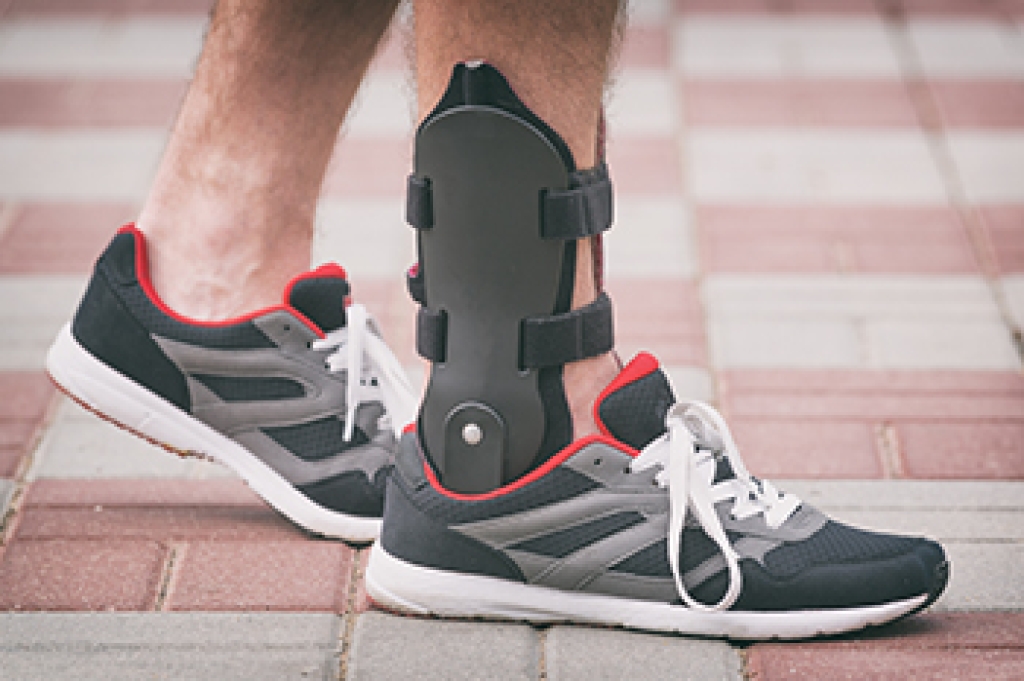
Orthotic devices can support the foot and improve safety while walking. An ankle-foot orthosis, also called an AFO, is a brace that fits around the lower leg, ankle, and foot. It holds the foot in a more stable position and helps keep the toes from dragging. Some AFOs are firm, while others allow limited ankle movement. A podiatrist can determine which design suits the patient’s strength, balance, and daily activities. A custom shoe insert can also improve alignment or reduce pressure inside the shoe. The device must fit correctly because excess pressure can cause rubbing, redness, or skin damage.

A podiatrist can measure the foot and ankle, prescribe an appropriate orthotic device, and check how it works with the patient’s shoes. During follow-up visits the podiatrist can inspect the skin and make adjustments that improve comfort. The podiatrist can also recommend shoes with enough depth and secure fastenings to hold the brace properly. Persistent redness, pain, or numbness linked to the device should be reported. Treatment depends on the cause and severity of foot drop, so an orthotic device is only one part of a broader care plan. In some cases, a podiatrist works with other medical specialists to address the underlying condition and reduce the risk of further problems. If you have foot drop, it is suggested that you schedule an appointment with a podiatrist to explore the use of an orthotic device.


If you are having discomfort in your feet and would like to try orthotics, contact Arthur Segall, Jr., DPM from Segall Foot and Ankle. Our doctor can provide the care you need to keep you pain-free and on your feet.

What Are Orthotics?

Orthotics are inserts you can place into your shoes to help with a variety of foot problems such as flat feet or foot pain. Orthotics provide relief and comfort for minor foot and heel pain but can’t correct serious biomechanical problems in your feet.

Over-the-Counter Inserts

Orthotics come in a wide variety of over-the-counter inserts that are used to treat foot pain, heel pain, and minor problems. For example, arch supports can be inserted into your shoes to help correct overarched or flat feet, while gel insoles are often used because they provide comfort and relief from foot and heel pain by alleviating pressure.

Prescription Orthotics

If over-the-counter inserts don’t work for you or if you have a more severe foot concern, it is possible to have your podiatrist prescribe custom orthotics. These high-quality inserts are designed to treat problems such as abnormal motion, plantar fasciitis, and severe forms of heel pain. They can even be used to help patients suffering from diabetes by treating foot ulcers and painful calluses and are usually molded to your feet individually, which allows them to provide full support and comfort.

If you are experiencing minor to severe foot or heel pain, it’s recommended to speak with your podiatrist about the possibilities of using orthotics. A podiatrist can determine which type of orthotic is right for you and allow you to take the first steps towards being pain-free.

If you have any questions, please feel free to contact our offices located in Plantation, FL Ft. Lauderdale, F . We offer the newest diagnostic and treatment technologies for all your foot care needs.

Read more about Ankle Foot Orthotics for Athletes

Are You Suffering From Nerve Damage?

Neuropathy is a condition that can lead to numbness or loss of sensation in the feet, but it can also cause pain. This condition is more likely to develop for those who are diabetic, obese, or with high blood pressure.

How Exercise Can Improve Foot Strength and Balance

Exercise plays an important role in protecting older adults from falls and helping them stay active and independent. Regular movement improves muscle strength, balance, and flexibility, making it easier to walk with confidence and react to uneven ground. Many older adults benefit from a routine that combines endurance activities, strength training, and balance exercises. Walking, swimming, and cycling help build endurance. Light resistance exercises improve muscle strength. Balance activities, like tai chi and standing on one foot, help reduce the risk of falling. Stretching also keeps muscles and joints moving comfortably, making everyday activities easier and safer.

Good foot health is another important part of falls protection. Painful feet, numbness, poor circulation, and foot deformities can affect balance and make walking less stable. Wearing shoes that fit well and provide proper support can improve stability and reduce slipping. Shoes should match the activity being performed and provide enough room for the toes. A podiatrist examines the feet, checks for changes in sensation, and evaluates how patients walk. This examination helps identify problems that increase the risk of falling. A podiatrist also recommends custom orthotics when appropriate to improve balance and relieve pressure on painful areas. Regular foot exams help detect changes before they become more serious.

Exercise is most effective when it becomes part of a regular routine. Adults age 65 and older benefit from at least 150 minutes of moderate physical activity each week. Strength exercises should be completed at least twice each week. Balance and flexibility exercises should also be performed regularly. Staying active supports better mobility, greater confidence, and a lower risk of falls. Healthy feet make exercise safer and more comfortable, allowing people to continue enjoying daily activities. Early attention to foot problems helps prevent mobility challenges that could increase fall risk. If you have injured your foot or ankle while falling, it is suggested that you schedule an appointment with a podiatrist for diagnosis and appropriate treatment.

Preventing falls among the elderly is very important. If you are older and have fallen or fear that you are prone to falling, consult with Arthur Segall, Jr., DPM from Segall Foot and Ankle. Our doctor will assess your condition and provide you with quality advice and care.

Every 11 seconds, an elderly American is being treated in an emergency room for a fall related injury. Falls are the leading cause of head and hip injuries for those 65 and older. Due to decreases in strength, balance, senses, and lack of awareness, elderly persons are very susceptible to falling. Thankfully, there are a number of things older persons can do to prevent falls.

How to Prevent Falls

Some effective methods that older persons can do to prevent falls include:

  • Enrolling in strength and balance exercise program to increase balance and strength
  • Periodically having your sight and hearing checked
  • Discuss any medications you have with a doctor to see if it increases the risk of falling
  • Clearing the house of falling hazards and installing devices like grab bars and railings
  • Utilizing a walker or cane
  • Wearing shoes that provide good support and cushioning
  • Talking to family members about falling and increasing awareness

Falling can be a traumatic and embarrassing experience for elderly persons; this can make them less willing to leave the house, and less willing to talk to someone about their fears of falling. Doing such things, however, will increase the likelihood of tripping or losing one’s balance. Knowing the causes of falling and how to prevent them is the best way to mitigate the risk of serious injury.  

If you have any questions, please feel free to contact our offices located in Plantation, FL Ft. Lauderdale, F . We offer the newest diagnostic and treatment technologies for all your foot care needs.

Read more about Falls Prevention

Connect With Us

Advanced Podiatric Procedures & Services in the Plantation, FL 33324 area