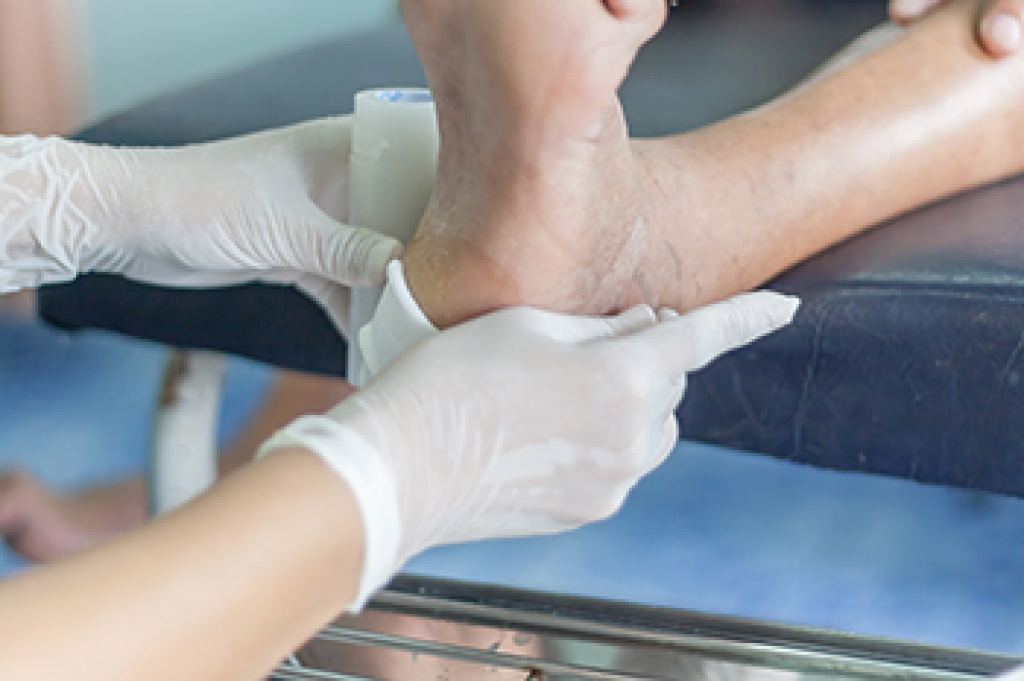
Prioritizing Foot Wound Care for Better Health and Mobility

Proper wound care on the feet is essential for preventing infections, promoting healing, and maintaining overall foot health. This is especially important for individuals with diabetes or circulation issues. Simple daily habits can make a big difference, such as checking the feet for red spots, blisters, or cuts, wearing properly fitting shoes, and performing regular foot inspections. Engaging in physical activity helps to increase circulation and supports tissue repair. A podiatrist can provide expert guidance on wound management, recommend appropriate footwear, and treat any existing foot conditions that may slow healing. If you notice any unusual changes or slow-healing wounds on your feet, it is strongly suggested that you consult a podiatrist for personalized care and support.

Wound care is an important part in dealing with diabetes. If you have diabetes and a foot wound or would like more information about wound care for diabetics, consult with Arthur Segall, Jr., DPM from Segall Foot and Ankle. Our doctor will assess your condition and provide you with quality foot and ankle treatment.

What Is Wound Care?

Wound care is the practice of taking proper care of a wound. This can range from the smallest to the largest of wounds. While everyone can benefit from proper wound care, it is much more important for diabetics. Diabetics often suffer from poor blood circulation which causes wounds to heal much slower than they would in a non-diabetic. 

What Is the Importance of Wound Care?

While it may not seem apparent with small ulcers on the foot, for diabetics, any size ulcer can become infected. Diabetics often also suffer from neuropathy, or nerve loss. This means they might not even feel when they have an ulcer on their foot. If the wound becomes severely infected, amputation may be necessary. Therefore, it is of the upmost importance to properly care for any and all foot wounds.

How to Care for Wounds

The best way to care for foot wounds is to prevent them. For diabetics, this means daily inspections of the feet for any signs of abnormalities or ulcers. It is also recommended to see a podiatrist several times a year for a foot inspection. If you do have an ulcer, run the wound under water to clear dirt from the wound; then apply antibiotic ointment to the wound and cover with a bandage. Bandages should be changed daily and keeping pressure off the wound is smart. It is advised to see a podiatrist, who can keep an eye on it.

If you have any questions please contact our offices located in Plantation, FL Ft. Lauderdale, F . We offer the newest diagnostic and treatment technologies for all your foot and ankle needs.
Read more about Wound Care

Prevention and Podiatric Care for Runner’s Toenail

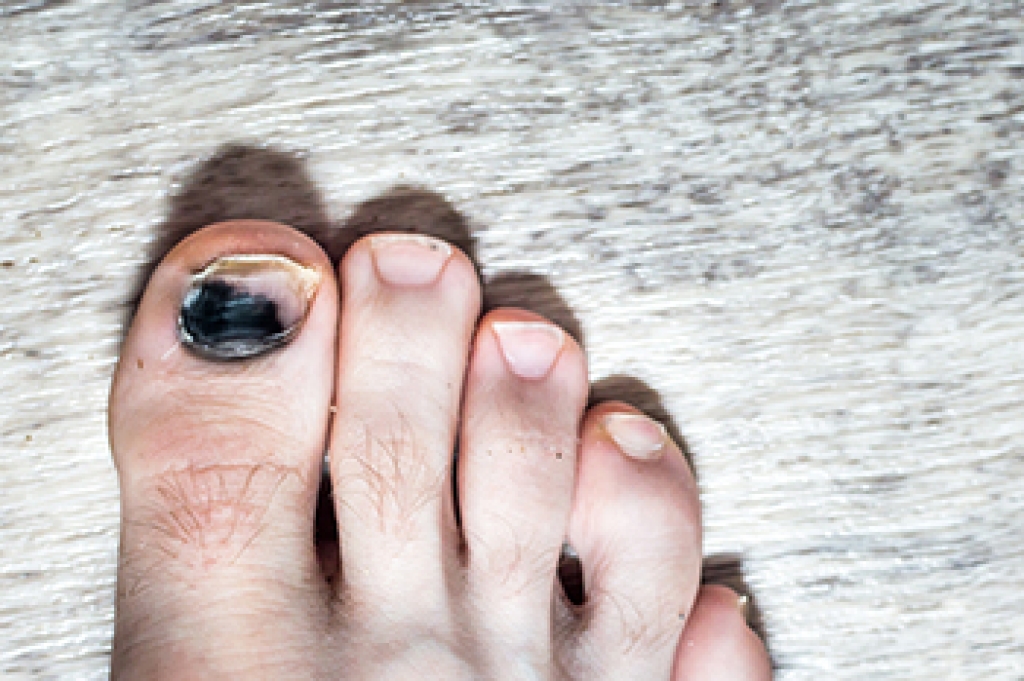
Runner's toenail, also known as black toenail, is  caused by repeated trauma to the toes during running. This often leads to discoloration, pain, or even loss of a toenail. It typically results from the nail repeatedly hitting the inside of the shoe during activity. To prevent it, keep toenails trimmed, tie shoes securely, wear cushioned socks, and increase mileage gradually. Properly fitting shoes are essential to avoid pressure on the toes. A podiatrist can help by evaluating your gait, recommending footwear, and treating damaged nails to prevent infection. If you notice pain or discoloration in your toenails after running, it is suggested that you schedule an appointment with a podiatrist for expert care and personalized prevention strategies.

All runners should take extra precaution when trying to avoid injury. If you have any concerns about your feet, contact Arthur Segall, Jr., DPM of Segall Foot and Ankle. Our doctor will treat your foot and ankle needs.

How to Prevent Running Injuries

There are a lot of mistakes a runner can make prior to a workout that can induce injury. A lot of athletes tend to overstretch before running, instead of saving those workouts for a post-run routine. Deep lunges and hand-to-toe hamstring pulls should be performed after a workout instead of during a warmup. Another common mistake is jumping into an intense routine before your body is physically prepared for it. You should try to ease your way into long-distance running instead of forcing yourself to rush into it.

More Tips for Preventing Injury

  • Incorporate Strength Training into Workouts - This will help improve the body’s overall athleticism
  • Improve and Maintain Your Flexibility – Stretching everyday will help improve overall performance
  • “Warm Up” Before Running and “Cool Down” Afterward – A warm up of 5-10 minutes helps get rid of lactic acid in the muscles and prevents delayed muscle soreness
  • Cross-Training is Crucial
  • Wear Proper Running Shoes
  • Have a Formal Gait Analysis – Poor biomechanics can easily cause injury

If you have any questions, please feel free to contact our offices located in Plantation, FL Ft. Lauderdale, F . We offer the newest diagnostic and treatment technologies for all your foot care needs.

Read more about Preventing Running Injuries

Pregnancy and Foot Health

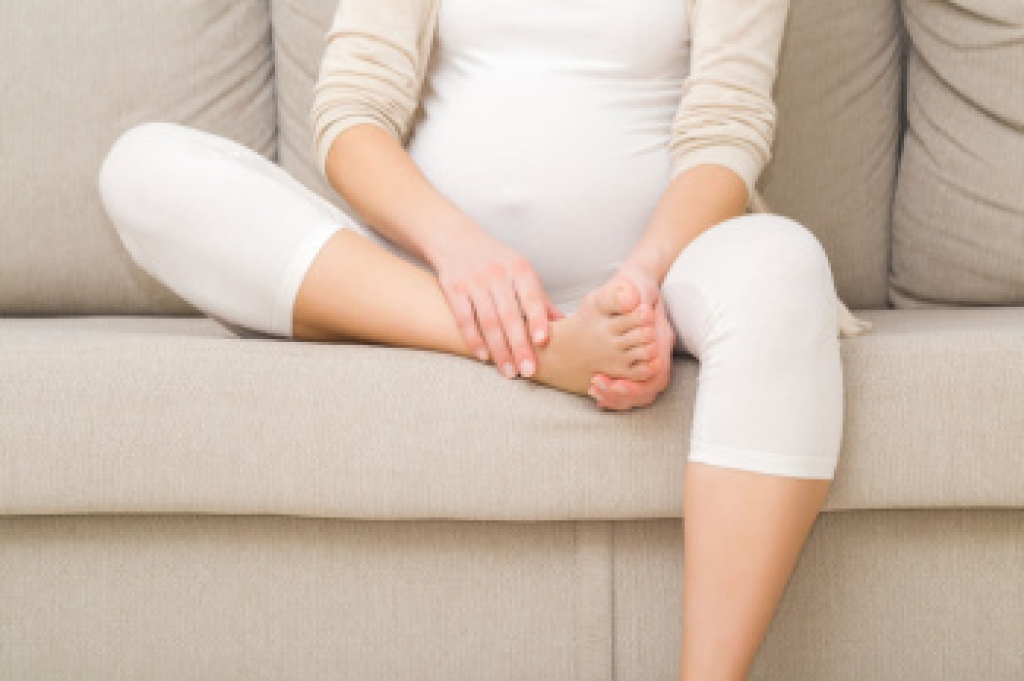
Pregnancy brings many changes to the body, and the feet are no exception. Hormonal shifts, weight gain, and fluid retention can all affect foot health. Common foot issues during pregnancy include swelling, flat feet due to ligament relaxation, and heel pain from added pressure on the arches. Symptoms include aching feet, difficulty fitting into shoes, and pain in the heels or arches, especially after standing or walking for long periods of time. Some women also experience cramping or tingling sensations due to increased pressure on nerves in the lower limbs. A podiatrist can evaluate foot structure and provide relief through supportive footwear recommendations, custom orthotics, and techniques to reduce swelling and discomfort. Gentle stretches and foot care tips can also help maintain comfort throughout pregnancy. If you are pregnant and are experiencing issues with your feet, it is suggested that you schedule  an appointment with a podiatrist.

Pregnant women with swollen feet can be treated with a variety of different methods that are readily available. For more information about other cures for swollen feet during pregnancy, consult with Arthur Segall, Jr., DPM from Segall Foot and Ankle. Our doctor will attend to all of your foot and ankle needs.

What Foot Problems Can Arise During Pregnancy?

One problem that can occur is overpronation, which occurs when the arch of the foot flattens and tends to roll inward.  This can cause pain and discomfort in your heels while you’re walking or even just standing up, trying to support your baby.  

Another problem is edema, or swelling in the extremities. This often affects the feet during pregnancy but tends to occur in the later stages. 

How Can I Keep My Feet Healthy During Pregnancy?

  • Wearing orthotics can provide extra support for the feet and help distribute weight evenly
  • Minimize the amount of time spent walking barefoot
  • Wear shoes with good arch support
  • Wear shoes that allow for good circulation to the feet
  • Elevate feet if you experience swelling
  • Massage your feet
  • Get regular, light exercise, such as walking, to promote blood circulation to the feet

If you have any questions, please feel free to contact our offices located in Plantation, FL Ft. Lauderdale, F . We offer the newest diagnostic and treatment technologies for all your foot care needs.

Read more about Pregnancy and Foot Health

Are Bunions Affecting Your Everyday Life?

Have you noticed a bony protrusion on the side of your big toe? If so, you may have developed the foot condition known as a bunion. Don't let bunions interfere with your daily activities.

Identifying Underlying Causes of Limping

Limping due to foot or ankle pain is often caused by an antalgic gait, which is the body’s response to discomfort in the lower limbs. This type of limp, termed antalgic gait, is usually a sign that a person is shifting weight away from a painful area, resulting in uneven walking patterns. Common causes of limping include fractures, arthritis, inflammation, or infection in the bones or joints of the feet. Rheumatoid arthritis can damage joints in the toes and ankles, while osteoarthritis may lead to pain from worn cartilage. In some cases, tumors or infections in the bones of the foot can lead to persistent limping. Sciatica and spine conditions may also trigger foot pain that affects walking. Diagnosis typically involves imaging tests to locate inflammation, fractures, or bone damage. A podiatrist may recommend supportive footwear, custom orthotics, medication, or surgery, depending on the severity of the condition. If you are limping, it is suggested that you schedule an appointment with a podiatrist for a diagnosis and appropriate treatment.

If you have any concerns about your feet, contact Arthur Segall, Jr., DPM from Segall Foot and Ankle. Our doctor can provide the care you need to keep you pain-free and on your feet.

Biomechanics in Podiatry

Podiatric biomechanics is a particular sector of specialty podiatry with licensed practitioners who are trained to diagnose and treat conditions affecting the foot, ankle and lower leg. Biomechanics deals with the forces that act against the body, causing an interference with the biological structures. It focuses on the movement of the ankle, the foot and the forces that interact with them.

A History of Biomechanics

  • Biomechanics dates back to the BC era in Egypt where evidence of professional foot care has been recorded.
  • In 1974, biomechanics gained a higher profile from the studies of Merton Root, who claimed that by changing or controlling the forces between the ankle and the foot, corrections or conditions could be implemented to gain strength and coordination in the area.

Modern technological improvements are based on past theories and therapeutic processes that provide a better understanding of podiatric concepts for biomechanics. Computers can provide accurate information about the forces and patterns of the feet and lower legs.

Understanding biomechanics of the feet can help improve and eliminate pain, stopping further stress to the foot.

If you have any questions please feel free to contact our offices located in Plantation, FL Ft. Lauderdale, F . We offer the newest diagnostic and treatment technologies for all your foot and ankle needs.

Read more about Biomechanics in Podiatry

Connect With Us

Advanced Podiatric Procedures & Services in the Plantation, FL 33324 area