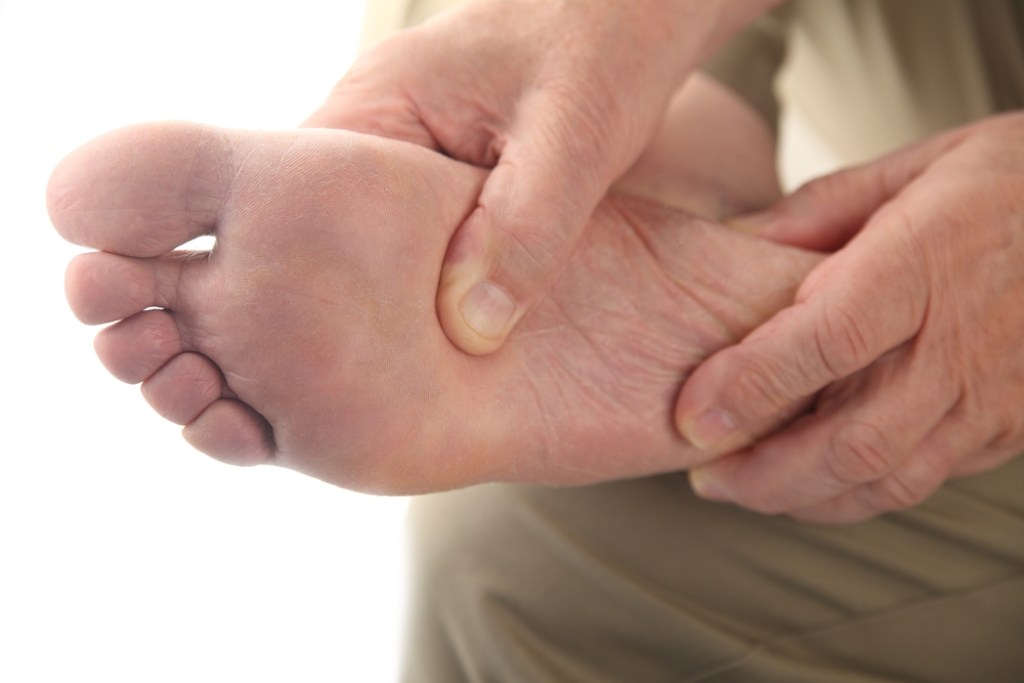
What Causes Foot Corns?

Foot corns are small areas of thickened skin that develop due to repeated pressure or friction. They commonly form on the top and sides of toes or on weight-bearing areas of the foot where shoes may rub. Corns develop as a protective response when the skin tries to shield itself from irritation. Causes include ill-fitting footwear, abnormal foot structure, and repetitive movement that increases pressure on certain areas. Symptoms may include tenderness, pain, and a hardened raised bump that can make walking uncomfortable. Risk factors include wearing tight shoes, toe deformities, and prolonged standing. A podiatrist can help by safely removing corns, addressing underlying causes, and recommending proper footwear. If you have a painful corn, it is suggested that you consult a podiatrist who can offer effective relief, treatment, and prevention solutions. 

If you have any concerns regarding your feet and ankles, contact Arthur Segall, Jr., DPM of Segall Foot and Ankle. Our doctor will treat your foot and ankle needs.

Corns: What Are They? and How Do You Get Rid of Them?
Corns can be described as areas of the skin that have thickened to the point of becoming painful or irritating. They are often layers and layers of the skin that have become dry and rough, and are normally smaller than calluses.

Ways to Prevent Corns
There are many ways to get rid of painful corns such as wearing:

  • Well-fitting socks
  • Comfortable shoes that are not tight around your foot
  • Shoes that offer support

Treating Corns
Treatment of corns involves removing the dead skin that has built up in the specific area of the foot. Consult with Our doctor to determine the best treatment option for your case of corns.

If you have any questions, please feel free to contact our offices located in Plantation, FL Ft. Lauderdale, F . We offer the newest diagnostic and treatment technologies for all your foot care needs.


Read more about Corns and Calluses

Brostrom-Gould Technique for Ankle Stability

The Brostrom-Gould technique is a surgical procedure used to repair and stabilize the lateral or outer ankle ligaments after chronic instability or repeated sprains. It is commonly recommended when ligaments have become stretched or torn due to injuries such as ankle sprains, sports trauma, or improper healing. Risk factors include high-impact activities, weak ankle support, and a history of recurrent injuries. During the procedure, the damaged ligaments are tightened and reinforced to restore proper alignment and function of the ankle joint. This helps improve stability, reduce pain, and prevent future injuries. A podiatrist can evaluate ankle instability, determine if this procedure is appropriate, and guide recovery. If you have chronic ankle instability, it is suggested that you consult a podiatrist who can determine if this procedure will help you, explain the benefits, and address any concerns you may have about this form of treatment.

Foot surgery is sometimes necessary to treat a foot ailment. To learn more, contact Arthur Segall, Jr., DPM of Segall Foot and Ankle. Our doctor will assist you with all of your foot and ankle needs.

When Is Surgery Necessary?

Foot and ankle surgery is generally reserved for cases in which less invasive, conservative procedures have failed to alleviate the problem. Some of the cases in which surgery may be necessary include:

  • Removing foot deformities like bunions and bone spurs
  • Severe arthritis that has caused bone issues
  • Cosmetic reconstruction

What Types of Surgery Are There?

The type of surgery you receive will depend on the nature of the problem you have. Some of the possible surgeries include:

  • Bunionectomy for painful bunions
  • Surgical fusion for realignment of bones
  • Neuropathy decompression surgery to treat nerve damage

Benefits of Surgery

Although surgery is usually a last resort, it can provide more complete pain relief compared to non-surgical methods and may allow you to finally resume full activity.

Surgical techniques have also become increasingly sophisticated. Techniques like endoscopic surgery allow for smaller incisions and faster recovery times.

If you have any questions, please feel free to contact our offices located in Plantation, FL Ft. Lauderdale, F . We offer the newest diagnostic and treatment technologies for all your foot care needs.

Read more about Foot and Ankle Surgery

Small Growths Can Cause Big Discomfort

Plantar warts are growths that develop on the bottom of the foot due to a viral infection in the skin. They often appear as small, rough areas with tiny black dots and may feel tender when walking or standing. Unlike other warts, they can grow inward because of pressure from body weight, creating a sensation similar to stepping on a pebble. The virus thrives in warm, moist environments, so it is commonly spread in locker rooms, around pools, or shared surfaces. A podiatrist can identify plantar warts through examination and may gently trim the area to reduce pressure and confirm the diagnosis. Treatment options include topical medications, freezing, or other in-office procedures designed to remove the wart and reduce recurrence. Early care can help prevent spread and discomfort. If you have plantar warts, it is suggested that you make an appointment with a podiatrist. 

Plantar warts can be very uncomfortable. If you need your feet checked, contact Arthur Segall, Jr., DPM from Segall Foot and Ankle. Our doctor will assist you with all of your foot and ankle needs.

About Plantar Warts

Plantar warts are the result of HPV, or human papillomavirus, getting into open wounds on the feet. They are mostly found on the heels or balls of the feet.

While plantar warts are generally harmless, those experiencing excessive pain or those suffering from diabetes or a compromised immune system require immediate medical care. Plantar warts are easily diagnosed, usually through scraping off a bit of rough skin or by getting a biopsy.

Symptoms

  • Lesions on the bottom of your feet, usually rough and grainy
  • Hard or thick callused spots
  • Wart seeds, which are small clotted blood vessels that look like little black spots
  • Pain, discomfort, or tenderness of your feet when walking or standing

Treatment

  • Freezing
  • Electric tool removal
  • Laser Treatment
  • Topical Creams (prescription only)
  • Over-the-counter medications

To help prevent developing plantar warts, avoid walking barefoot over abrasive surfaces that can cause cuts or wounds for HPV to get into. Avoiding direct contact with other warts, as well as not picking or rubbing existing warts, can help prevent the further spread of plantar warts. However, if you think you have developed plantar warts, speak to your podiatrist. He or she can diagnose the warts on your feet and recommend the appropriate treatment options.

If you have any questions, please feel free to contact our offices located in Plantation, FL Ft. Lauderdale, F . We offer the newest diagnostic and treatment technologies for all your foot care needs.

Read more about All About Plantar Warts

Reminder: When Was the Last Time...?

Custom orthotics, or shoe inserts, should be periodically replaced. Orthotics must fit properly to give you the best results. Protect your feet and ankles!

Connect With Us

Advanced Podiatric Procedures & Services in the Plantation, FL 33324 area