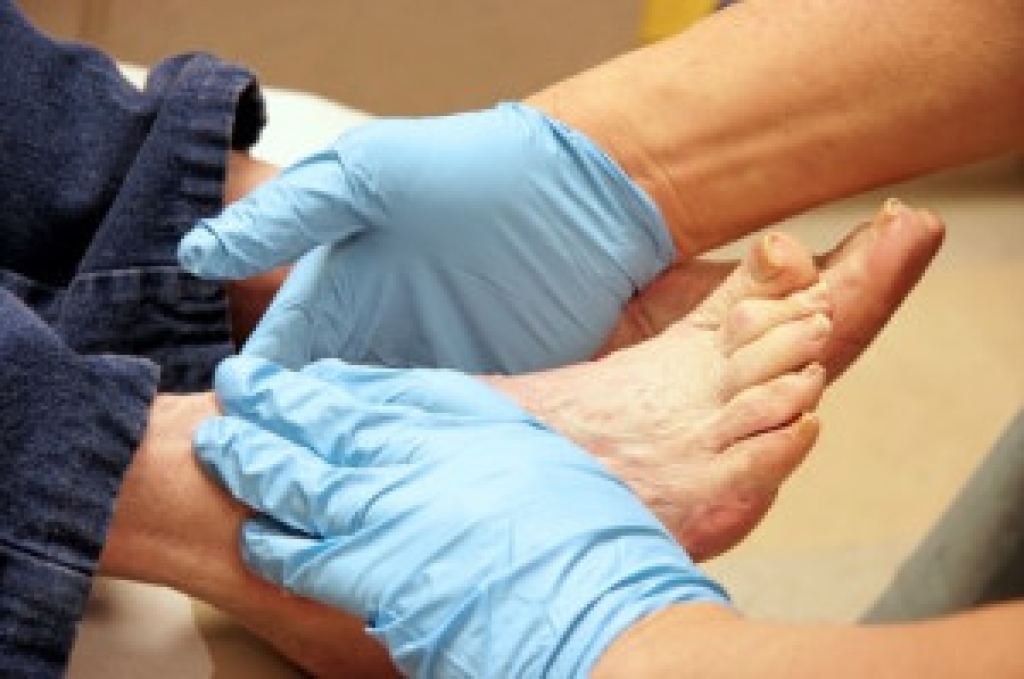
Diabetes and Keeping Your Feet Healthy

Diabetes is a metabolic disorder that affects how the body uses blood sugar for energy. When blood sugar remains too high, it can gradually affect nerves and blood vessels throughout the body. The feet can be especially vulnerable because reduced sensation and poor circulation may make injuries harder to notice and heal. A small blister, cut, or sore can become a serious foot problem when it goes untreated. Learning how diabetes affects the feet can help you protect your comfort, mobility, and overall foot health.

Diabetes may damage nerves, a condition called diabetic neuropathy. This can cause numbness, tingling, or reduced feeling in the feet. High blood sugar can also affect blood vessels and reduce blood flow. When circulation is poor, the feet may not receive enough oxygen and nutrients needed for healing. Risk factors include uncontrolled blood sugar, smoking, and a history of foot problems. Regular medical care and good blood sugar management can help lower the risk of complications.

Daily foot care is an important part of living with diabetes. Check both feet every day for cuts, blisters, or changes in the skin. Wash your feet with warm water and mild soap, then dry them carefully. Choose comfortable shoes that fit well, and avoid walking barefoot. Regular exercise can support healthy blood flow to the feet, while avoiding smoking can further protect circulation. If you notice a wound or unusual change, do not ignore it or wait for it to improve.

A podiatrist can help prevent and manage diabetes-related foot problems. During an examination, the podiatrist may check sensation, circulation, and areas of pressure. If a wound is present, treatment by a podiatrist may include cleaning, debridement, and infection management. The podiatrist may also recommend diabetic footwear or other protective measures. If you have diabetes and have developed foot problems,  it is strongly suggested that you are under the care of a podiatrist who can help you to manage this serious condition.

Diabetic foot care is important in preventing foot ailments such as ulcers. If you are suffering from diabetes or have any other concerns about your feet, contact Arthur Segall, Jr., DPM from Segall Foot and Ankle. Our doctor can provide the care you need to keep you pain-free and on your feet.

Diabetic Foot Care

Diabetes affects millions of people every year. The condition can damage blood vessels in many parts of the body, especially the feet. Because of this, taking care of your feet is essential if you have diabetes, and having a podiatrist help monitor your foot health is highly recommended.

The Importance of Caring for Your Feet

  • Routinely inspect your feet for bruises or sores.
  • Wear socks that fit your feet comfortably.
  • Wear comfortable shoes that provide adequate support.

Patients with diabetes should have their doctor monitor their blood levels, as blood sugar levels play such a huge role in diabetic care. Monitoring these levels on a regular basis is highly advised.

It is always best to inform your healthcare professional of any concerns you may have regarding your feet, especially for diabetic patients. Early treatment and routine foot examinations are keys to maintaining proper health, especially because severe complications can arise if proper treatment is not applied.

If you have any questions, please feel free to contact our offices located in Plantation, FL Ft. Lauderdale, F . We offer the newest diagnostic and treatment technologies for all your foot care needs.

Read more about Diabetic Foot Conditions

Why Do I Keep Getting Blisters on My Feet?

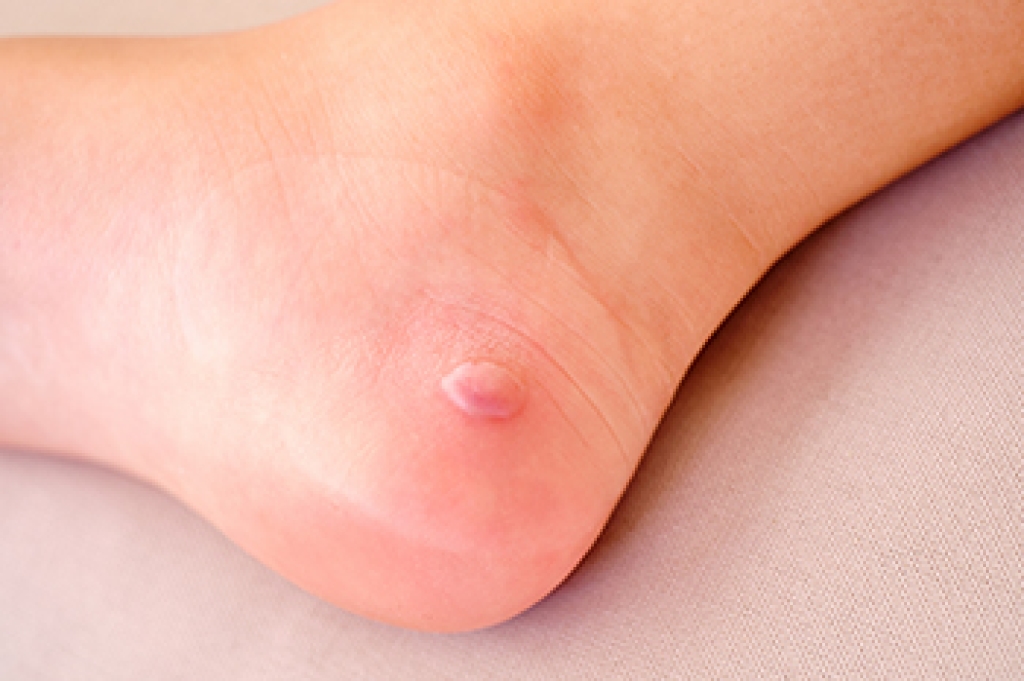
Foot blisters are fluid-filled pockets that form under the skin and can make every step uncomfortable. Friction is a frequent cause, especially when shoes are too tight or rub the same area repeatedly. The clear liquid inside most blisters is called serum, which comes from nearby tissues after the skin is injured. Blood blisters contain blood instead. Friction blisters are usually painful and can interfere with walking, exercise, or work. Although many blisters result from burns, allergies and infections can also cause blistering on the skin.

The appearance and symptoms of a blister can offer clues about its cause. Most blisters are round or oval and contain fluid beneath the skin. Some are painful, while others can itch or cause little discomfort. Blisters linked to infection can look different and may occur with other symptoms. Increasing redness, swelling, or worsening pain around a blister can signal infection. Oozing blood or pus is another warning sign. Blisters with an unknown cause or those that are very painful deserve professional evaluation, especially when they keep returning.

A podiatrist can examine foot blisters to determine what is causing them and whether infection is present. The evaluation can also identify pressure points and areas where shoes are rubbing the skin. For a large or painful blister, a podiatrist can drain it safely and protect the area from infection. A podiatrist can also recommend shoe changes or padding to reduce repeated friction and pressure. Patients with recurring blisters can benefit from an evaluation of foot structure and how their shoes fit. Addressing the source of repeated rubbing can help protect vulnerable areas of skin. If you have symptoms of blisters, it is suggested that you schedule an appointment with a podiatrist for diagnosis and treatment.

Blisters are prone to making everyday activities extremely uncomfortable. If your feet are hurting, contact Arthur Segall, Jr., DPM of Segall Foot and Ankle. Our doctor can provide the care you need to keep you pain-free and on your feet.

Foot Blisters

Foot blisters develop as a result of constantly wearing tight or ill-fitting footwear. This happens due to the constant rubbing from the shoe, which can often lead to pain.

What Are Foot Blisters?

A foot blister is a small fluid-filled pocket that forms on the upper-most layer of the skin. Blisters are filled with clear fluid and can lead to blood drainage or pus if the area becomes infected.

How Do Blisters Form?

Blisters on the feet are often the result of constant friction of skin and material, usually by shoe rubbing. Walking in sandals, boots, or shoes that don’t fit properly for long periods of time can result in a blister. Having consistent foot moisture and humidity can easily lead to blister formation.

Prevention & Treatment

It is important to properly care for the affected area in order to prevent infection and ease the pain. Do not lance the blister and use a Band-Aid to provide pain relief. Also, be sure to keep your feet dry and wear proper fitting shoes. If you see blood or pus in a blister, seek assistance from a podiatrist.

If you have any questions, please feel free to contact our offices located in Plantation, FL Ft. Lauderdale, F . We offer the newest diagnostic and treatment technologies for all your foot care needs.
Read more about Blisters

What Causes Ankle Instability?

Ankle instability occurs when the ankle repeatedly feels weak or unsteady during movement. It often develops after an ankle sprain that did not fully heal. Damaged or stretched ligaments may struggle to keep the joint stable. Common symptoms include ankle pain, weakness, and a feeling that the ankle may give way. Some people notice instability when walking on uneven ground, while others experience discomfort after exercise. Repeated episodes can make everyday movement less comfortable.

Several factors can increase the risk of chronic ankle instability. Previous ankle sprains are among the most common causes. Repeated injuries can weaken supporting ligaments and reduce joint stability. Sports involving running, jumping, or quick direction changes can increase ankle stress. Poorly supportive footwear may contribute to instability. Muscle weakness around the ankle can make balance difficult. Certain foot alignment concerns may change weight distribution, and walking on uneven surfaces can also increase risk.

A podiatrist starts by reviewing your symptoms, injury history, and previous treatments. An examination can assess ankle strength, balance, and ligament stability. X-rays may help rule out fractures or other bone problems and additional imaging tests may be recommended when ligament damage is suspected. Treatment focuses on improving stability while reducing pain. A podiatrist may recommend supportive shoes, ankle bracing, or activity changes. Targeted exercises may improve strength and balance.

Ankle instability can interfere with walking, exercise, and confidence. Persistent pain or weakness should not be ignored, especially when your ankle repeatedly gives way. Evaluation can help identify the problem and reduce the risk of injuries. A podiatrist can develop a treatment plan based on your symptoms and ankle condition. Early treatment may help restore stability. If you are experiencing ankle instability, it is suggested that you consult a podiatrist for an accurate diagnosis and appropriate treatment.

Ankle pain can be caused by a number of problems and may be potentially serious. If you have ankle pain, consult with Arthur Segall, Jr., DPM from Segall Foot and Ankle. Our doctor will assess your condition and provide you with quality foot and ankle treatment.

Ankle pain is any condition that causes pain in the ankle. Due to the fact that the ankle consists of tendons, muscles, bones, and ligaments, ankle pain can come from a number of different conditions.

Causes

The most common causes of ankle pain include:

  • Types of arthritis (rheumatoid, osteoarthritis, and gout)
  • Ankle sprains
  • Broken ankles
  • Achilles tendonitis
  • Achilles tendon rupture
  • Stress fractures
  • Bursitis
  • Tarsal tunnel syndrome
  • Plantar fasciitis

Symptoms

Symptoms of ankle injury vary based upon the condition. Pain may include general pain and discomfort, swelling, aching, redness, bruising, burning or stabbing sensations, and/or loss of sensation.

Diagnosis

Due to the wide variety of potential causes of ankle pain, podiatrists will utilize a number of different methods to properly diagnose ankle pain. This can include asking for personal and family medical histories and of any recent injuries. Further diagnosis may include sensation tests, a physical examination, and potentially x-rays or other imaging tests.

Treatment

Just as the range of causes varies widely, so do treatments. Some more common treatments are rest, ice packs, keeping pressure off the foot, orthotics and braces, medication for inflammation and pain, and surgery.

If you have any questions please feel free to contact our offices located in Plantation, FL Ft. Lauderdale, F . We offer the newest diagnostic tools and technology to treat your foot and ankle needs.

Read more about Ankle Pain

Risk Factors for Athlete’s Foot

Athlete's foot, medically known as tinea pedis, is a common fungal infection that affects the skin of the feet. It typically develops in warm, moist environments where fungi thrive. This condition often begins between the toes, but can spread to other areas of the foot if not treated. Athlete’s foot is contagious and can be transmitted through direct contact or by walking on contaminated surfaces such as locker rooms or pool areas. Understanding the definition and causes of this infection is essential for prevention and proper care.

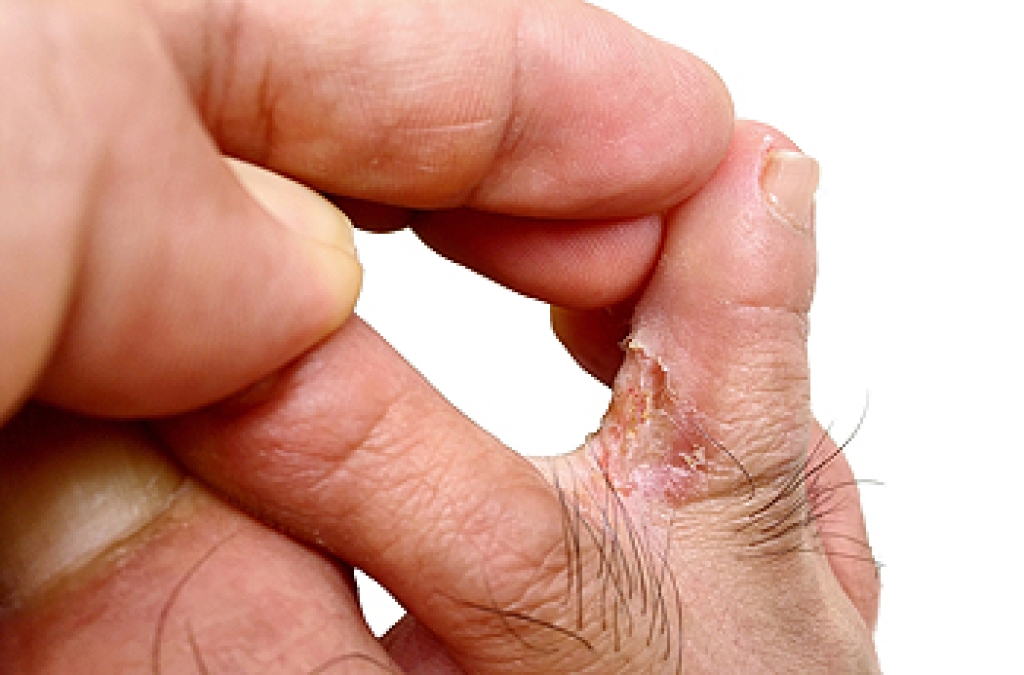
Symptoms of athlete’s foot include itching, burning, and stinging sensations on the skin. The affected area may appear red, scaly, or cracked. In some cases, peeling skin and small blisters may develop. The infection can also spread to the toenails, causing discoloration or thickening. These symptoms may worsen in damp conditions and can lead to discomfort during daily activities. Early recognition can help limit the spread and severity of the infection.


Several risk factors increase the likelihood of developing athlete’s foot. Wet or sweaty feet create an ideal environment for fungal growth. Wearing plastic-lined shoes or footwear that does not allow airflow can trap moisture and promote infection. Individuals with toenail injuries or compromised skin barriers may also be more susceptible. Additionally, walking barefoot in shared spaces increases exposure to fungi. These factors contribute to the widespread nature of this condition.


Preventing athlete’s foot involves keeping the feet clean and dry, wearing breathable footwear, and avoiding shared surfaces without protection. Changing socks regularly and allowing shoes to air out can reduce moisture buildup. Using protective footwear in public areas can also lower risk. Prompt treatment can prevent complications and spread. If you have athlete's foot, it is suggested that you consult a podiatrist for effective relief and treatment solutions, which may include prescribed medication. 

Athlete’s Foot

Athlete’s foot is often an uncomfortable condition to experience. Thankfully, podiatrists specialize in treating athlete’s foot and offer the best treatment options. If you have any questions about athlete’s foot, consult with Arthur Segall, Jr., DPM from Segall Foot and Ankle. Our doctor will assess your condition and provide you with quality treatment.

What Is Athlete’s Foot?

Tinea pedis, more commonly known as athlete’s foot, is a non-serious and common fungal infection of the foot. Athlete’s foot is contagious and can be contracted by touching someone who has it or infected surfaces. The most common places contaminated by it are public showers, locker rooms, and swimming pools. Once contracted, it grows on feet that are left inside moist, dark, and warm shoes and socks.

Prevention

The most effective ways to prevent athlete’s foot include:

  • Thoroughly washing and drying feet
  • Avoid going barefoot in locker rooms and public showers
  • Using shower shoes in public showers
  • Wearing socks that allow the feet to breathe
  • Changing socks and shoes frequently if you sweat a lot

Symptoms

Athlete’s foot initially occurs as a rash between the toes. However, if left undiagnosed, it can spread to the sides and bottom of the feet, toenails, and if touched by hand, the hands themselves. Symptoms include:

  • Redness
  • Burning
  • Itching
  • Scaly and peeling skin

Diagnosis and Treatment

Diagnosis is quick and easy. Skin samples will be taken and either viewed under a microscope or sent to a lab for testing. Sometimes, a podiatrist can diagnose it based on simply looking at it. Once confirmed, treatment options include oral and topical antifungal medications.

If you have any questions, please feel free to contact our offices located in Plantation, FL Ft. Lauderdale, F . We offer the newest diagnostic and treatment technologies for all your foot care needs.

Read more about Athlete’s Foot

Plantar Warts Can Be Treated!

Plantar warts are small growths that develop on parts of the feet that bear weight. They're typically found on the bottom of the foot. Don't live with plantar warts, and call us today!

Connect With Us

Advanced Podiatric Procedures & Services in the Plantation, FL 33324 area